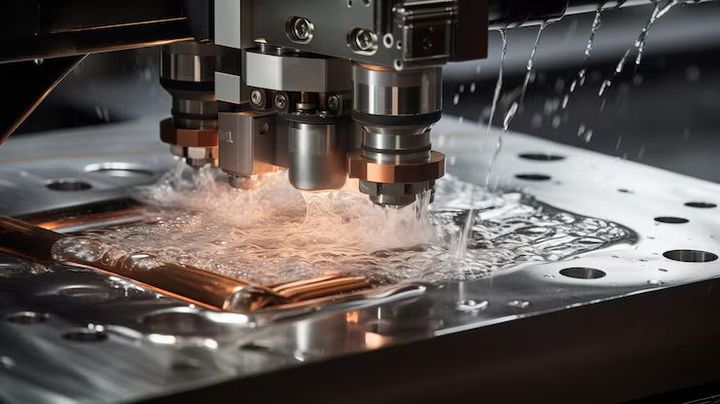
Complete Guide to Stainless Steel Machines for Industrial Fabrication and Production
Stainless steel machines play an important role in industrial fabrication, metal processing, food equipment production, construction components, chemical processing, and many other manufacturing activities. Stainless steel is widely used because it combines corrosion resistance, strength, durability, and a clean surface appearance.
Stainless steel machines are designed to cut, bend, weld, polish, form, drill, and finish stainless steel components with controlled processes. Understanding the different machine types, their applications, recent developments, safety requirements, and supporting tools helps readers understand how modern stainless steel fabrication works.
Context
What Are Stainless Steel Machines?
Stainless steel machines are industrial equipment used to process stainless steel sheets, tubes, plates, bars, pipes, and fabricated components. The equipment may perform one specific operation or combine several manufacturing stages into a coordinated production system.
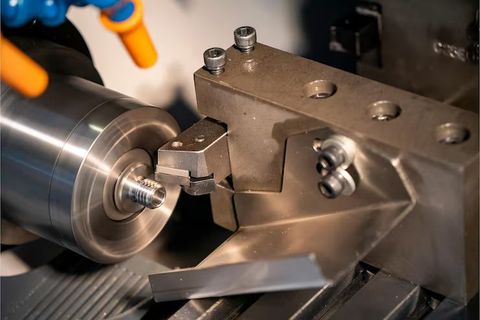
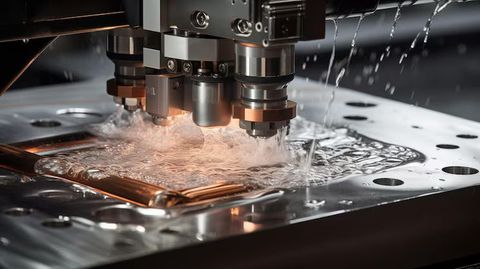
Common stainless steel machines include laser cutting machines, CNC bending machines, CNC milling machines, welding equipment, tube processing machines, grinding machines, polishing systems, drilling machines, and automated material handling equipment.
The machines used depend on the thickness, grade, shape, surface requirements, and final application of the stainless steel component.
How Stainless Steel Fabrication Developed
Traditional metal fabrication relied heavily on manual cutting, drilling, forming, and welding. As manufacturing requirements became more precise, mechanical and computer-controlled equipment became increasingly common.
Computer numerical control, commonly called CNC, introduced programmed machine movements for repeatable production. Modern systems can combine digital design files, automated tool paths, sensors, measurement systems, and production monitoring.
Stainless steel fabrication now covers a broad range of industries, including:
- Industrial equipment manufacturing
- Food and beverage equipment
- Architectural components
- Chemical processing equipment
- Pharmaceutical production equipment
- Automotive components
- Construction systems
- Energy equipment
- Water treatment equipment
Common Stainless Steel Grades
Different stainless steel grades have different properties. Austenitic grades are widely associated with corrosion resistance and forming characteristics, while ferritic, martensitic, and precipitation-hardening grades provide different combinations of strength, hardness, and corrosion resistance.
The appropriate material depends on the operating environment and engineering requirements. Machine settings also need to reflect the material thickness and grade because cutting, forming, drilling, and welding behavior can vary.
Importance
Why Stainless Steel Machines Matter
Stainless steel machines help manufacturers process metal with consistent dimensions and controlled surface quality. Precision is particularly important when components need to fit together during assembly or when fabricated surfaces must meet defined specifications.
Automated equipment can also reduce repetitive manual operations. CNC systems can follow programmed movements, while sensors and measurement systems can help detect dimensional differences during production.
For general users, the importance of these machines can be seen in everyday products and infrastructure. Stainless steel components may appear in kitchen equipment, transportation systems, building structures, industrial tanks, medical environments, and water-processing facilities.
Production Challenges
Stainless steel can create specific machining and fabrication challenges. Some grades generate significant heat during machining, while others can become work-hardened when processed incorrectly.
Common challenges include:
- Heat generation during cutting and machining
- Tool wear
- Surface scratching
- Distortion during welding
- Burr formation
- Dimensional variation
- Surface contamination
- Difficulties in maintaining consistent finishes
Machine selection, tooling, cutting parameters, cooling methods, and inspection procedures all influence the final result.
Major Machine Categories
| Machine Type | Primary Function | Common Materials | Typical Application |
|---|---|---|---|
| Laser Cutting Machine | Sheet and plate cutting | Stainless steel sheet, plate | Profiles and panels |
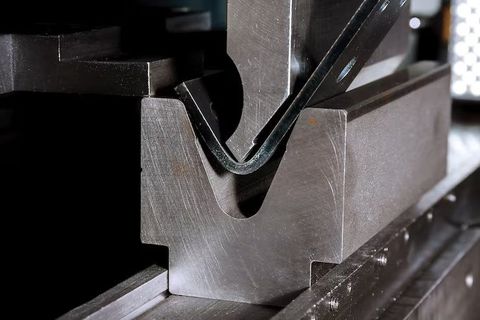
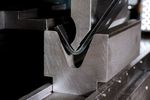
| CNC Press Brake | Bending | Stainless steel sheet | Enclosures and frames |
| CNC Milling Machine | Precision machining | Blocks and components | Mechanical parts |
| Tube Cutting Machine | Tube and pipe cutting | Stainless steel tubes | Frames and piping |
| TIG Welding Equipment | Precision welding | Stainless steel components | Clean welded assemblies |
| Grinding Machine | Material removal | Sheets and fabricated parts | Edge and surface preparation |
| Polishing Machine | Surface finishing | Stainless steel surfaces | Decorative and sanitary components |
| Drilling Machine | Hole production | Plates, tubes, bars | Fastening and assembly |
Fabrication Workflow
A typical stainless steel production process begins with material preparation. Engineers or fabricators establish dimensions and create drawings or digital models before selecting suitable processing equipment.
The workflow may include:
- Material inspection
- Cutting
- Drilling or machining
- Bending
- Welding
- Grinding
- Polishing
- Dimensional inspection
- Cleaning and final preparation
Not every project requires every stage. The sequence depends on the component design and required surface condition.
Recent Updates
Automation and Digital Manufacturing
From 2024 through 2026, industrial metal fabrication has continued moving toward greater automation and digital process control. CNC equipment, robotic welding, automated loading systems, machine vision, and production monitoring are increasingly integrated into manufacturing environments.
Digital workflows allow designs to move from CAD software to CAM systems and then into machine-control programs. This reduces manual data transfer and can improve repeatability when the equipment, software, and material specifications are properly configured.
Fiber Laser Technology
Fiber laser cutting continues to develop for stainless steel sheet and plate processing. Modern systems can use automated focusing, improved motion control, nesting software, and monitoring functions.
These developments support more controlled cutting across different material thicknesses. Actual performance depends on machine specifications, material grade, thickness, optics, and programmed parameters.
Robotic Welding
Robotic welding systems are becoming more common in repetitive stainless steel fabrication. Robots can follow programmed paths and maintain consistent movement when suitable fixtures and process controls are used.
Human operators remain important for programming, setup, inspection, maintenance, and handling tasks. Automation therefore changes the distribution of production activities rather than eliminating the need for technical knowledge.
Smart Monitoring
Sensors and industrial software are increasingly used to collect information about machine conditions, production cycles, temperature, vibration, and equipment status. This information can support preventive maintenance and production analysis.
Connected manufacturing systems can also provide production data for identifying recurring process variations and equipment issues.
Laws or Policies
Workplace Safety Requirements
Stainless steel fabrication involves machinery, electrical systems, heat, sparks, sharp edges, fumes, noise, and moving components. Workplace rules in many jurisdictions therefore establish requirements for machine guarding, personal protective equipment, ventilation, electrical safety, and worker training.
Specific requirements vary by country and industrial sector. Manufacturers generally need to follow the workplace safety rules applicable to their location and equipment.
Environmental Requirements
Metal fabrication may generate dust, welding fumes, wastewater, used abrasives, and other industrial residues. Environmental rules can regulate how these materials are controlled, treated, stored, transported, or disposed of.
Fabrication facilities may also have requirements related to air emissions, industrial waste, water discharge, and chemical handling.
Equipment and Electrical Standards
Industrial machines may be subject to technical requirements covering electrical systems, emergency stops, guarding, control systems, pressure equipment, or machinery safety. Applicable standards depend on the machine type and jurisdiction.
Before equipment is placed into production, organizations commonly review manufacturer documentation, risk assessments, operating procedures, and applicable regulatory requirements.
Tools and Resources
Design and Engineering Software
CAD software is commonly used to create two-dimensional drawings and three-dimensional models. CAM software can then convert designs into machine instructions for CNC equipment.
Sheet-metal design tools can also calculate bend allowances, material dimensions, and flat patterns. These functions help engineers prepare digital files before fabrication.
Machine Calculators
Several types of calculators are useful for stainless steel fabrication, including:
- Sheet weight calculators
- Material thickness calculators
- Bend allowance calculators
- Cutting parameter calculators
- Welding parameter references
- Power and energy calculations
- Production-time estimators
Results from calculators should be checked against the actual material grade, machine specifications, tooling, and production conditions.
Inspection Equipment
Measurement tools are important for checking finished components. Common equipment includes digital calipers, micrometers, height gauges, surface roughness testers, laser measurement systems, and coordinate measuring machines.
Inspection methods vary according to dimensional tolerances and product requirements.
Training and Technical Resources
Machine manuals, engineering handbooks, CAD/CAM documentation, material datasheets, technical standards, and equipment training materials can help operators and engineers understand stainless steel processing.
Manufacturing organizations may also use digital maintenance systems to record inspections, machine conditions, replacement intervals, and production information.
FAQs
What are stainless steel machines used for?
Stainless steel machines are used for cutting, bending, drilling, machining, welding, grinding, polishing, and forming stainless steel materials. Different machines perform different stages of industrial fabrication.
Which machine is commonly used for stainless steel sheet cutting?
Laser cutting machines, plasma systems, waterjet equipment, and mechanical cutting machines can process stainless steel sheet. The appropriate system depends on material thickness, dimensional requirements, surface requirements, and production conditions.
How does a CNC machine process stainless steel?
A CNC machine follows programmed movements generated from digital manufacturing instructions. Cutting tools or other processing equipment remove or reshape material according to the programmed geometry and selected parameters.
What should be considered when selecting stainless steel machines?
Important factors include material grade, thickness, component dimensions, required accuracy, surface finish, production volume, machine capacity, automation level, tooling requirements, and applicable safety standards.
Are stainless steel machines used in automated production?
Yes. Stainless steel fabrication can use automated laser cutting, robotic welding, CNC machining, automated bending, machine vision, and material-handling systems. The level of automation depends on production requirements and system design.
Conclusion
Stainless steel machines support many stages of modern industrial fabrication, from cutting and forming to welding, machining, finishing, and inspection. Their selection depends on stainless steel grade, material thickness, component design, accuracy requirements, production conditions, and safety considerations. Recent developments have increased the use of CNC control, robotics, digital manufacturing, sensors, and automated inspection. Understanding these technologies provides a foundation for evaluating how stainless steel components are produced across different industrial applications.