Complete Guide to Robotics in Surgery for Modern Medical Practice and Healthcare Technology
Robotics in surgery refers to the use of computer-assisted robotic systems that help surgeons perform medical procedures with controlled movements and detailed visual guidance. These systems combine mechanical instruments, cameras, imaging technology, and specialized software to support surgical tasks.
The surgeon remains responsible for planning and controlling the procedure, while the robotic equipment translates the surgeon’s movements into precise instrument actions.
Robotics in surgery developed from advances in medical engineering, computer technology, and minimally invasive surgical techniques. Traditional surgery often requires direct access to the treatment area, whereas robotic-assisted techniques may allow surgeons to operate through small incisions using specialized instruments. The approach varies according to the medical condition, surgical method, available equipment, and clinical requirements.
How Robotic Surgical Systems Work
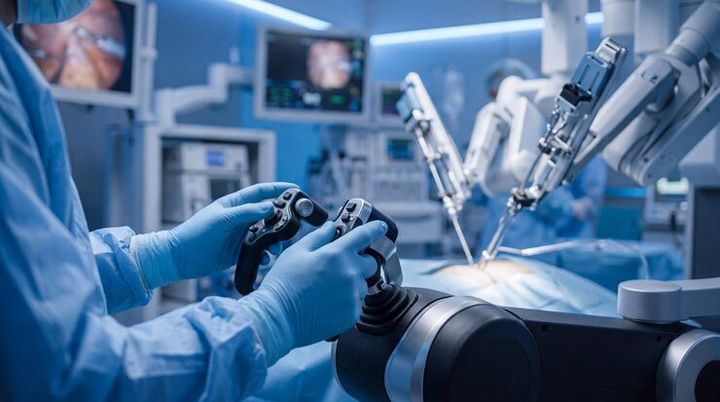
A robotic surgical system generally includes a surgeon console, a patient-side mechanical unit, surgical instruments, and a high-definition camera system. The surgeon observes the operating area on a screen and controls the instruments through hand controls or other designated interfaces. The system converts these inputs into instrument movements within the patient's body.
Some systems provide magnified, three-dimensional views that help surgeons examine anatomical structures. Instrument designs may also support movements that are difficult to perform with conventional straight instruments. However, the capabilities of each system depend on its design, approved applications, and operating conditions.
Common Applications of Surgical Robotics
Robotic-assisted surgery is used in several medical specialties. Its suitability depends on the patient's condition and the procedure being considered.
Urology: Certain procedures involving the prostate, kidneys, or urinary system.
Gynecology: Selected operations involving the uterus and other reproductive organs.
General surgery: Some abdominal procedures, including particular hernia and digestive system operations.
Thoracic surgery: Selected procedures involving structures within the chest.
Orthopedics: Robotic assistance for planning and guiding specific joint replacement procedures.
Neurosurgery: Certain systems support image-guided planning and highly controlled instrument positioning.
Not every robotic system performs the same functions, and some are designed for a single specialty or limited range of procedures.
Importance
Why Robotics in Surgery Matters Today
Modern healthcare increasingly uses digital imaging, computer-assisted planning, and advanced instruments to support clinical decision-making. Robotics in surgery brings several of these technologies together, giving trained surgeons additional ways to visualize and access selected anatomical areas. This can be particularly relevant when procedures involve confined spaces or require controlled instrument movements.
Robotic assistance may help reduce incision size in certain operations and can support improved instrument maneuverability. Depending on the procedure, patients may experience less tissue disruption, reduced postoperative discomfort, or a shorter hospital stay compared with some conventional approaches. These outcomes are not universal, and differences between surgical techniques depend on clinical circumstances and the experience of the surgical team.
Benefits and Limitations for Patients
The potential benefits of robotic-assisted procedures should be considered alongside their limitations. The technology does not remove the risks associated with anesthesia, bleeding, infection, or other surgical complications.
Area | Potential contribution | Important consideration |
|---|---|---|
Visualization | Magnified views of the operating area | Image quality depends on the system and conditions |
Instrument movement | Controlled movements and enhanced maneuverability | Instruments have specific operating limits |
Incisions | Smaller access points in selected procedures | Not every operation can use a minimally invasive approach |
Recovery | Potentially reduced discomfort or hospital stay in some cases | Recovery varies by patient and procedure |
Surgical planning | Digital imaging and computer-assisted guidance | Clinical judgment remains essential |
Training | Simulation-based practice for surgical teams | Competency requires structured training and assessment |
Who Is Affected by Surgical Robotics?
Patients, surgeons, hospitals, medical engineers, and healthcare administrators all have an interest in this technology. Patients may encounter robotic-assisted surgery when discussing treatment options, while surgeons need appropriate training to use specific systems safely.
Hospitals must consider equipment integration, staff education, maintenance, operating room design, and clinical outcomes. Medical engineers and researchers work on improving instrument design, imaging, system reliability, and the interaction between people and machines. These different responsibilities show why robotic surgery is both a medical and a technological development.
Recent Updates
Developments in Robotic Surgery Technology
Recent developments across 2024–2026 reflect continued interest in more adaptable robotic platforms, improved imaging, and computer-assisted surgical planning. Manufacturers and research teams have been exploring smaller instruments, more flexible robotic designs, improved visualization, and systems that can support a wider range of procedures. The availability and clinical adoption of these developments vary by healthcare system and regulatory approval.
Artificial intelligence is also becoming an area of interest in surgical technology. Some research focuses on recognizing surgical instruments, analyzing procedural video, identifying anatomical structures, and helping teams review surgical performance. These applications should not be confused with fully autonomous surgery, in which a machine independently performs an operation without direct human control.
Integration With Digital Healthcare
Robotic surgical systems increasingly form part of broader digital operating room environments. Depending on the equipment, they may integrate with medical imaging, navigation systems, patient records, or planning software. These connections can help clinical teams coordinate information before and during selected procedures.
Important challenges remain. Hospitals must address cybersecurity, patient data protection, system compatibility, technical interruptions, and the need for reliable backup procedures. Technology updates also require careful assessment to determine whether they improve patient outcomes rather than simply introducing additional features.
Training and Clinical Evaluation
Simulation tools allow surgeons to practise selected movements and procedural steps in controlled environments. Training may include virtual models, physical simulators, and supervised clinical experience. Structured assessment helps determine whether a surgeon has developed the necessary skills for a particular robotic platform.
Clinical researchers continue to compare robotic-assisted procedures with laparoscopic and open surgery. Relevant measures include complication rates, recovery time, quality of life, surgical accuracy, and longer-term outcomes. Such comparisons need to account for differences in patient health, procedure complexity, and the experience of the clinical team.
Laws or Policies
Medical Device Regulation and Approval
Robotics in surgery is governed by medical device rules, clinical safety requirements, and healthcare standards that vary by country. Regulators assess relevant aspects of a system's safety and performance before permitting its intended medical use. Requirements may cover manufacturing quality, software reliability, clinical evidence, labeling, and monitoring after a device enters the market.
In India, the Central Drugs Standard Control Organisation (CDSCO) oversees relevant medical device regulatory activities under the applicable framework, including the Medical Devices Rules, 2017, as amended. Hospitals and manufacturers must follow the requirements that apply to the particular device, its classification, and its intended use.
Patient Safety and Informed Consent
Patients should receive understandable information about a proposed operation, including its purpose, expected benefits, material risks, alternatives, and relevant uncertainties. When robotic assistance is involved, discussions may also cover the surgeon's experience with the system and the possibility of changing to another surgical approach if necessary.
Hospitals need appropriate procedures for equipment checks, staff training, maintenance, and responses to technical problems. The surgical team must remain prepared to manage complications and continue care if robotic equipment cannot be used.
Privacy, Cybersecurity, and Accountability
Robotic systems may process imaging, patient information, and operational data. Healthcare organizations must protect this information according to applicable privacy and data protection requirements. Cybersecurity measures can include controlled access, secure system configuration, software updates, and monitoring for technical vulnerabilities.
Responsibility for patient care remains governed by applicable professional, institutional, and legal requirements. The presence of robotic technology does not eliminate the need for qualified clinical oversight, appropriate documentation, or established safety procedures.
Tools and Resources
Surgical Planning and Imaging Tools
Several categories of digital tools support robotic-assisted procedures. Their availability depends on the medical specialty, hospital infrastructure, and approved system configuration.
Medical imaging software: Helps clinicians review scans and understand anatomical structures.
Surgical navigation platforms: Support instrument positioning using imaging and tracking technology in selected procedures.
Three-dimensional planning tools: Help create digital representations of anatomy for procedural preparation.
Robotic simulation platforms: Provide controlled environments for practising instrument handling and procedural skills.
Operating room information systems: Support the coordination of clinical information and equipment workflows.
These tools assist clinical teams but do not independently determine which treatment is appropriate for a patient.
Clinical Information and Evaluation Resources
Healthcare professionals may consult clinical practice guidelines, peer-reviewed medical literature, device instructions, and institutional protocols when evaluating robotic surgery. Relevant professional associations and academic medical centers may publish educational materials explaining procedures, training requirements, and clinical evidence.
Hospitals can also use structured evaluation templates to compare robotic-assisted surgery with other techniques. Useful measures include the type of procedure, patient selection criteria, complications, conversion to open surgery, length of stay, readmissions, and longer-term outcomes.
Questions to Consider When Evaluating a Robotic Procedure
A structured discussion can help patients understand the role of robotics in a proposed operation. Relevant questions include:
Is robotic assistance appropriate for the specific condition?
What alternative surgical approaches are available?
What training and experience does the surgical team have with this procedure?
What are the possible complications and expected recovery requirements?
What happens if the robotic system experiences a technical problem?
Answers depend on individual circumstances and should be discussed with qualified healthcare professionals.
FAQs
What Is Robotics in Surgery?
Robotics in surgery uses computer-controlled instruments, cameras, and specialized software to assist surgeons during selected medical procedures. The surgeon directs the system and remains responsible for clinical decisions and operative control.
Is Robotic Surgery Safer Than Traditional Surgery?
Safety depends on the procedure, the patient's health, the surgical team's experience, and the technology being used. Robotic assistance may provide benefits in certain situations, but it is not automatically safer than laparoscopic or open surgery.
What Are the Main Benefits of Robotic-Assisted Surgery?
Potential benefits include magnified visualization, controlled instrument movements, and smaller incisions for selected procedures. Recovery outcomes and complication rates vary, so the advantages must be assessed for each operation.
How Is Artificial Intelligence Used in Robotic Surgery?
Artificial intelligence research includes surgical video analysis, anatomical recognition, planning assistance, and performance assessment. Most current applications support specific tasks rather than replacing the surgeon's overall clinical judgment.
What Regulations Apply to Surgical Robots in India?
Surgical robotic equipment may be subject to India's medical device regulatory framework, including applicable provisions of the Medical Devices Rules, 2017, and subsequent amendments. Requirements depend on the device's classification, intended purpose, and regulatory status.
Conclusion
Robotics in surgery combines medical expertise with advanced instruments, digital imaging, and computer-assisted control to support selected procedures. Its potential benefits include improved instrument maneuverability and less invasive access in appropriate clinical situations, although outcomes vary. Regulatory oversight, patient privacy, staff training, and reliable equipment operation remain important considerations. The role of robotic technology continues to develop alongside clinical research and advances in healthcare engineering.