Advanced Casting Equipment Guide With Modern Foundry Technology and Engineering Insights
Casting is a manufacturing process in which a material, commonly metal, is heated until it becomes liquid or sufficiently fluid, then introduced into a shaped cavity where it cools and solidifies. The basic concept has existed for thousands of years, but modern foundries use controlled heating systems, precision molds, automated handling equipment, sensors, simulation software, and inspection technologies to improve consistency.
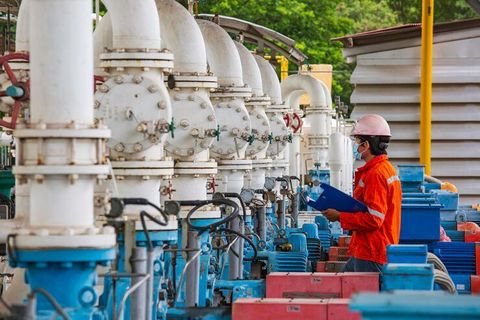
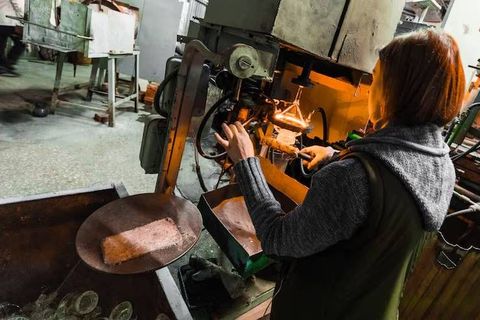
Advanced casting equipment brings several stages of foundry production together. These can include melting furnaces, ladles, molding machines, core-making systems, pouring equipment, cooling systems, shakeout machines, shot blasting equipment, and dimensional inspection systems. Each component has a specific role in converting raw material into a finished casting.
Modern casting equipment is used across industries that require components with specific shapes, dimensions, strength characteristics, or thermal properties. Automotive components, industrial machinery parts, construction equipment components, pumps, valves, electrical housings, and many other products can involve casting during their manufacturing process.
How Modern Casting Works
A typical casting sequence involves several connected stages:
- Material preparation involves selecting and preparing the metal or alloy.
- Melting converts the prepared material into a liquid state under controlled thermal conditions.
- Mold preparation creates the cavity that defines the required shape.
- Core production creates internal passages or hollow sections when needed.
- Pouring introduces molten material into the mold.
- Solidification allows the material to cool and form the required structure.
- Shakeout removes the casting from the mold.
- Finishing removes unwanted material such as gates, runners, and excess sections.
- Inspection checks dimensions, surface conditions, and internal characteristics.
The exact sequence varies according to the casting method, material, component geometry, and production requirements.
Importance
Advanced casting equipment matters because manufacturing increasingly requires repeatable dimensions, controlled material properties, efficient resource use, and reliable production processes. Manual operations can still have an important role, but automation and process monitoring allow many repetitive activities to be controlled more consistently.
Foundry technology also addresses practical challenges such as temperature variation, mold defects, gas-related imperfections, dimensional changes, and inconsistent filling. Equipment designed around these challenges can provide greater control over individual stages of production.
Equipment Used in Foundries
Different machines are selected according to the casting process. Common categories include:
- Induction furnaces for controlled metal melting.
- Electric arc furnaces for processing suitable ferrous materials.
- Die casting machines for forcing molten material into reusable dies.
- Sand molding machines for producing molds from prepared molding material.
- Core-making machines for creating internal cavities.
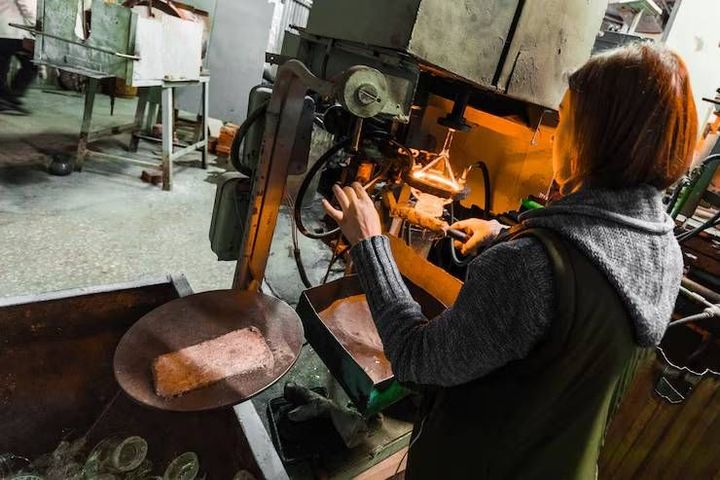
- Automated pouring systems for controlling the introduction of molten material.
- Shakeout machines for separating castings from molding material.
- Shot blasting equipment for surface cleaning.
- Spectrometers and other analysis instruments for checking material composition.
- Coordinate measuring machines for dimensional inspection.
These systems may operate independently or as part of an integrated foundry line.
Common Casting Methods
The selection of a casting method depends on the material, geometry, production volume, surface requirements, and dimensional tolerances.
| Casting Method | Typical Material Range | Main Characteristic |
|---|---|---|
| Sand casting | Ferrous and non-ferrous alloys | Flexible mold design |
| Die casting | Mainly non-ferrous alloys | High-speed production |
| Investment casting | Various alloys | Detailed and complex shapes |
| Centrifugal casting | Selected metals and alloys | Rotation during solidification |
| Continuous casting | Mainly metals produced in long sections | Continuous solidification |
| Permanent mold casting | Selected non-ferrous alloys | Reusable metal molds |
No single casting method applies to every component. Engineering requirements determine which process is appropriate.
Recent Updates
Modern foundries are increasingly integrating digital controls, automated material handling, real-time sensing, and production data analysis. These developments are changing how operators monitor temperature, filling behavior, mold conditions, and equipment performance.
Automation and Digital Monitoring
Advanced casting equipment can incorporate sensors that measure variables such as temperature, pressure, vibration, flow, and machine status. Data from these sensors can be displayed through industrial control systems, allowing operators to identify changes during production.
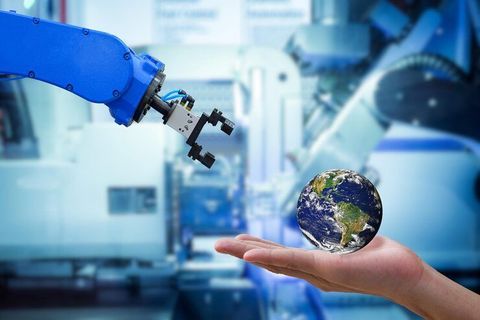
Robotic systems are also being used for repetitive activities such as ladle movement, casting extraction, trimming, grinding, and material handling. Automation can reduce direct exposure to high-temperature environments while improving repeatability for suitable tasks.
Simulation and Process Modeling
Casting simulation software has become an important engineering resource. It can model mold filling, solidification, heat transfer, and potential defect locations before physical production begins.
Digital models can help engineers examine different gating designs, riser arrangements, cooling conditions, and material behaviors. This can reduce the number of physical trials required during process development.
Energy and Environmental Management
Modern foundry development also places greater attention on energy consumption, emissions control, dust collection, material recovery, and efficient furnace operation. Improved furnace controls can regulate heating according to process requirements rather than relying only on manual adjustments.
Recycling of suitable molding materials and metal residues is another important part of foundry management. Environmental equipment can include filtration systems, ventilation systems, particulate collection units, and monitoring instruments.
Artificial Intelligence and Predictive Analysis
Artificial intelligence and machine-learning techniques are increasingly being investigated for defect detection, equipment monitoring, and process analysis. Cameras and inspection systems can analyze casting surfaces for visible irregularities, while historical machine data can be evaluated for unusual patterns.
These technologies do not eliminate the need for engineering judgment. Their role is generally to process large amounts of production information and help identify patterns that may require further examination.
Laws or Policies
Foundry operations are shaped by occupational safety, environmental protection, industrial emissions, waste management, electrical safety, machinery safety, and workplace exposure requirements. The specific rules depend on the country, region, facility type, and materials being processed.
Workplace Safety
Foundries involve hazards associated with molten materials, high temperatures, moving machinery, dust, noise, electrical equipment, and industrial chemicals. Safety frameworks commonly address machine guarding, protective equipment, ventilation, emergency procedures, training, and safe material handling.
Facilities may also need documented procedures for furnace operation, molten-metal transport, maintenance, lockout procedures, and emergency response.
Environmental Controls
Environmental requirements can cover airborne particles, furnace emissions, wastewater, solid waste, noise, and the handling of used molding materials. Facilities may need appropriate filtration, extraction, monitoring, and waste-management systems depending on local requirements.
Because regulations differ between jurisdictions, operators generally need to consult the applicable environmental and occupational authorities for their location rather than applying one universal regulatory framework.
Tools and Resources
Several technical resources can support the planning, operation, and analysis of modern casting processes. CAD software is commonly used to create three-dimensional component and mold designs. Casting simulation platforms can evaluate filling and solidification behavior before physical production.
Engineering and Inspection Tools
Useful categories include:
- CAD and 3D modeling software for component design.
- Casting simulation software for process analysis.
- Furnace monitoring systems for thermal control.
- Spectrometers for material composition analysis.
- Thermal cameras for temperature observation.
- Coordinate measuring machines for dimensional verification.
- Surface inspection equipment for detecting visible irregularities.
- Production dashboards for monitoring operational data.
- Maintenance management platforms for equipment records.
- Digital calculation tools for gating, riser, and material planning.
Technical manuals, equipment documentation, industrial training materials, engineering standards, and foundry calculation templates can also help users understand the relationships between material properties, mold design, thermal behavior, and equipment settings.
FAQs
What is advanced casting equipment?
Advanced casting equipment refers to modern machinery and control systems used throughout foundry operations. It can include melting furnaces, molding systems, core-making equipment, automated pouring machines, finishing systems, inspection instruments, sensors, and digital controls.
How does modern foundry technology improve casting processes?
Modern foundry technology provides greater control over variables such as temperature, filling, solidification, material composition, and dimensional accuracy. Automation and digital monitoring can also provide production information that helps operators identify process changes.
What types of casting equipment are used in industrial foundries?
Industrial foundries may use induction furnaces, electric arc furnaces, molding machines, core-making systems, pouring equipment, shakeout machines, shot blasting systems, trimming equipment, and inspection technologies. The equipment combination depends on the material and casting method.
Why is casting simulation used in engineering?
Casting simulation is used to study mold filling, heat transfer, solidification, and possible defect areas before physical production. It allows engineers to examine process designs digitally and adjust relevant parameters before manufacturing.
How is automation changing casting equipment?
Automation is being applied to material handling, pouring, casting extraction, trimming, inspection, and other repetitive operations. Robotics, sensors, programmable controls, and data-analysis systems can work together to provide more consistent process monitoring.
Conclusion
Advanced casting equipment combines traditional foundry principles with automation, digital monitoring, simulation, inspection, and environmental controls. Modern systems can support greater control across melting, molding, pouring, solidification, finishing, and quality verification. Current development is increasingly focused on connected equipment, data analysis, automation, energy management, and improved workplace conditions. The appropriate technology depends on the material, component design, production method, facility requirements, and applicable regulations.