Sheet Metal Fabrication Machines Guide With Modern Manufacturing and Engineering Insights
Sheet metal fabrication machines are used to cut, bend, form, punch, join, and finish thin metal sheets for products and structures used across modern industries. Sheet metal fabrication combines mechanical processes with computer-controlled equipment to transform flat metal into precise components.
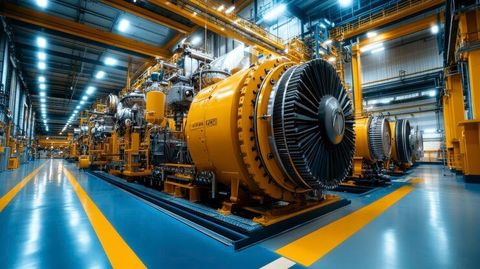
Common equipment includes laser cutting machines, press brakes, shearing machines, punching machines, bending machines, forming systems, and automated fabrication cells. Understanding how these machines work helps general readers recognize how metal components move from raw sheets to finished parts used in construction, transportation, electronics, appliances, industrial equipment, and other applications.
Context
What Sheet Metal Fabrication Means
Sheet metal fabrication is a manufacturing process based on shaping metal sheets into useful components. Materials can include steel, stainless steel, aluminum, copper, and other alloys selected according to strength, weight, corrosion resistance, electrical properties, or forming requirements.
The process generally begins with a flat sheet. A digital drawing or technical design determines the dimensions, openings, bends, and other features required for the component. Machines then perform individual or combined operations to create the required geometry.
Traditional fabrication relied heavily on manually operated equipment. Modern facilities increasingly use computer numerical control systems, automated material handling, sensors, and digital design software to improve consistency and coordinate multiple manufacturing stages.
Main Types of Fabrication Machines
Different sheet metal fabrication machines perform different operations. Laser cutting machines use concentrated energy to create precise profiles, while plasma and waterjet systems can process materials under different thickness and application conditions.
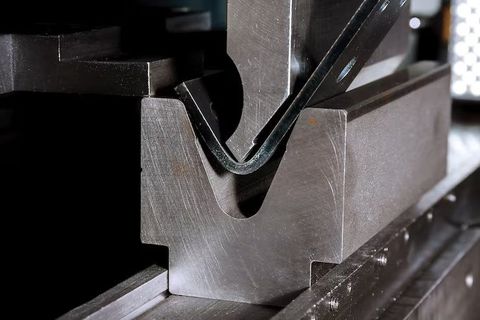
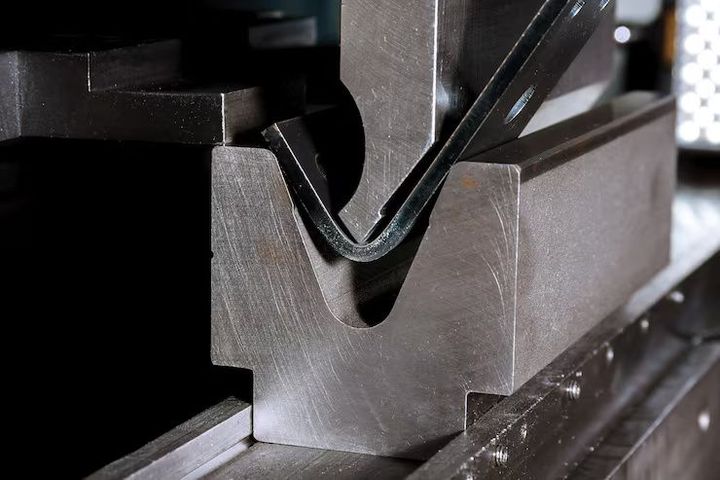
Press brakes and sheet metal bending machines shape flat sheets by applying controlled force. Punching machines create holes, slots, and other forms using dedicated tooling. Shearing machines separate sheets along straight or defined cutting paths.
Other equipment includes rolling machines, forming presses, deburring machines, welding systems, and automated inspection equipment. A fabrication facility may combine several machine types because a single component can require cutting, forming, joining, and finishing.
From Design to Fabricated Part
Modern fabrication usually connects design software with machine-control systems. A digital drawing can contain dimensions and geometric information that is converted into machine instructions.
A simplified production sequence can include:
- Design preparation: A component is developed using computer-aided design software.
- Material preparation: Sheet dimensions, thickness, and material characteristics are checked.
- Cutting: The required profile is separated from the sheet.
- Forming: Bends, curves, or other shapes are created.
- Joining: Components can be connected through welding, riveting, fastening, or other suitable methods.
- Finishing: Edges and surfaces may undergo cleaning, deburring, coating, or other processing.
- Inspection: Dimensions and features are checked against the intended design.
Importance
Why Fabrication Equipment Matters
Sheet metal components appear in many products and structures, making fabrication equipment an important part of modern manufacturing. Accurate cutting and forming influence how components fit together during later assembly.
The technology also helps manufacturers handle increasingly complex geometries. Computer-controlled machines can repeat programmed movements while sensors and inspection systems provide information about machine conditions and component dimensions.
For general users, the importance of this technology is visible in everyday objects. Metal cabinets, ventilation components, electrical enclosures, vehicle parts, appliance panels, structural components, and industrial equipment can all involve sheet metal fabrication processes.
Industries Using Sheet Metal Fabrication Machines
Several industries depend on fabrication machinery for different purposes. Construction uses fabricated metal components for structural and architectural applications. Automotive and transportation manufacturers use formed panels, brackets, enclosures, and supporting components.
Electronics and electrical equipment frequently require accurately formed enclosures and mounting components. Industrial machinery uses fabricated frames, guards, panels, ducts, brackets, and other parts.
The following table summarizes common equipment and their primary functions:
| Machine Type | Main Function | Common Material Applications |
|---|---|---|
| Laser Cutting Machine | Profile cutting | Steel, stainless steel, aluminum |
| Press Brake | Sheet bending | Steel, aluminum, stainless steel |
| CNC Punching Machine | Holes and shaped openings | Steel, aluminum |
| Shearing Machine | Straight sheet cutting | Steel, aluminum |
| Plasma Cutting Machine | Thermal cutting | Steel and conductive metals |
| Waterjet Machine | Cold cutting | Various metals |
| Rolling Machine | Curved forming | Steel and aluminum |
| Deburring Machine | Edge finishing | Cut sheet components |
| Welding Equipment | Component joining | Multiple metal types |
| Inspection Systems | Dimensional checking | Fabricated components |
Precision, Productivity, and Material Use
Modern sheet metal fabrication machines can coordinate cutting and forming operations with digital programs. This can help maintain repeatable dimensions across production batches when machines are correctly configured and maintained.
Material planning is another important consideration. Computer-controlled cutting layouts can arrange multiple component profiles across a sheet to reduce unused areas. The actual result depends on material thickness, component geometry, machine capability, tooling, programming, and production requirements.
Recent Updates
Automation and Connected Manufacturing
Recent developments from 2024–2026 have continued to emphasize automation, machine connectivity, and data-based production management. Fabrication systems are increasingly integrated with manufacturing software, sensors, automated loading systems, and inspection technologies.
Automated sheet handling can move materials between processes with limited manual intervention. Robotic systems can also assist with tasks such as loading, unloading, bending, welding, and component movement.
Fiber Laser Cutting Technology
Fiber laser systems remain an important development in modern sheet metal processing. They can process many common metal materials at high cutting speeds, although actual performance depends on machine configuration, material characteristics, thickness, and cutting parameters.
Machine manufacturers have also developed more automated control systems for focusing, gas management, cutting parameter adjustment, and process monitoring.
Artificial Intelligence and Machine Monitoring
Artificial intelligence and machine learning are increasingly being explored for production monitoring, quality inspection, predictive maintenance, and process optimization. Cameras and sensors can collect information about components and machine behavior.
These technologies do not eliminate the need for engineering judgment. Instead, they can provide additional information that helps operators and production teams identify deviations, maintenance requirements, or quality issues.
Energy and Resource Efficiency
Modern fabrication equipment is also being developed with greater attention to energy consumption and material utilization. Software-based nesting, efficient laser sources, automated machine control, and improved process planning can influence resource use.
Environmental performance varies substantially between machines and production environments. Material type, machine power, operating hours, maintenance, cutting parameters, and electricity sources all affect overall resource consumption.
Laws or Policies
Workplace Safety Requirements
Sheet metal fabrication involves moving machinery, sharp edges, heat, electrical systems, compressed gases, and other potential hazards. Workplace safety rules in many jurisdictions therefore establish requirements for machine guarding, emergency controls, operator training, protective equipment, ventilation, and safe material handling.
Specific requirements differ according to the country, industry, workplace, and machine type. Employers and facility operators generally need to follow the applicable occupational safety framework in their jurisdiction.
Environmental Requirements
Fabrication processes can generate metal scrap, dust, fumes, wastewater, noise, and other industrial outputs. Environmental rules may establish requirements for waste handling, emissions, chemical management, recycling, and disposal.
Laser and plasma cutting, welding, coating, and surface treatment can have different environmental considerations. Facilities therefore need procedures appropriate to their processes and local requirements.
Machinery Standards
Technical standards can address machine construction, electrical safety, guarding, risk assessment, and operational procedures. International and national standards may be used to establish consistent approaches to equipment design and workplace safety.
Because regulations vary between jurisdictions, the applicable legal requirements should always be determined from the relevant authorities and current standards for the location where equipment operates.
Tools and Resources
Design and Programming Software
Computer-aided design software is commonly used to create sheet metal components and prepare manufacturing drawings. Computer-aided manufacturing software can then translate design information into machine instructions.
Nesting software is particularly useful for arranging multiple component profiles on a sheet. It can account for material dimensions, cutting paths, spacing, and production requirements.
Measurement and Inspection Tools
Fabrication operations commonly use measuring equipment such as calipers, micrometers, gauges, coordinate measuring systems, and optical inspection equipment. The appropriate tool depends on the required dimensional accuracy and component geometry.
Digital inspection systems can compare measured features against a digital design and record production information for quality analysis.
Maintenance and Planning Resources
Machine manuals, maintenance schedules, tooling catalogs, material specification sheets, operator training documents, and safety procedures are useful resources for fabrication environments.
Production planning platforms can also track material requirements, machine availability, production sequences, inspection stages, and maintenance activities. The specific software selected depends on the size and complexity of the manufacturing operation.
FAQs
What are sheet metal fabrication machines used for?
Sheet metal fabrication machines are used to cut, bend, punch, form, join, and finish metal sheets. Different machines perform different operations, and several processes may be combined to produce one component.
Which machines are commonly used in sheet metal fabrication?
Common equipment includes laser cutting machines, press brakes, CNC punching machines, shearing machines, plasma cutters, rolling machines, welding equipment, deburring systems, and inspection equipment.
How does a sheet metal bending machine work?
A sheet metal bending machine applies controlled force to a metal sheet using tooling. A press brake, for example, positions the sheet between tooling and forms a bend according to programmed dimensions and material characteristics.
How are laser cutting machines used in sheet metal fabrication?
Laser cutting machines use a concentrated laser beam to separate material along programmed paths. Cutting performance depends on material type, thickness, laser power, optical configuration, cutting gas, and process settings.
What role does automation play in sheet metal fabrication machines?
Automation can coordinate material handling, cutting, bending, inspection, and production data. Robotic systems and sensors can reduce repetitive manual activities while providing additional process information.
Conclusion
Sheet metal fabrication machines combine cutting, bending, forming, joining, and inspection technologies to transform flat metal sheets into useful components. Modern systems increasingly incorporate computer control, automation, sensors, digital design, and machine monitoring. Safety requirements, environmental considerations, material characteristics, and machine capabilities all influence how fabrication processes are planned and operated. Understanding these fundamentals provides a clearer view of how modern metal components are produced across many industries.