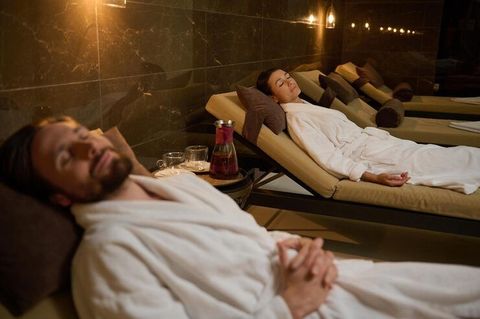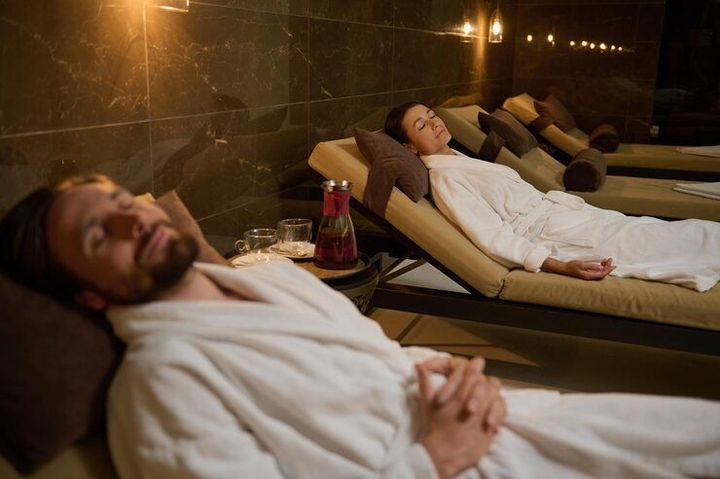
Luxury Wellness Insights Into Relaxation, Mindfulness and Holistic Lifestyle Practices
Luxury wellness describes a style of lifestyle and travel focused on relaxation, mindfulness, personal comfort, movement, nutrition, nature, and holistic wellbeing.
It combines wellness practices with carefully designed surroundings, personalized routines, high-quality accommodation, quiet environments, and activities intended to support physical and mental relaxation. The concept has developed from traditional wellness practices and the broader growth of wellness-focused tourism and lifestyle planning.
Wellness itself is not a new concept. Practices such as meditation, yoga, massage, breathing exercises, bathing rituals, mindful eating, and nature-based activities have existed across different cultures for centuries. Contemporary luxury wellness brings several of these practices together within organized environments such as retreats, resorts, wellness centers, private residences, and specialized travel programs.
The word luxury in this context generally refers to characteristics such as privacy, personalized attention, comfortable surroundings, carefully designed spaces, specialized facilities, and flexible schedules. It does not describe a particular medical outcome or guarantee a specific result.
A holistic lifestyle approach considers several areas of everyday life together. These can include sleep routines, physical movement, nutrition, emotional balance, social relationships, recreation, personal reflection, and time spent in natural environments.
Common Elements of Luxury Wellness
A luxury wellness environment may include several activities and facilities:
Yoga and mindful movement
Meditation and breathing exercises
Spa and relaxation areas
Fitness and mobility facilities
Quiet rooms and nature spaces
Nutrition-focused dining
Guided relaxation activities
Sleep-focused environments
Outdoor recreation
Cultural and creative activities
The combination varies considerably. Some programs concentrate on relaxation and mindfulness, while others emphasize fitness, nutrition, nature, or a combination of several lifestyle practices.
From Retreats to Everyday Living
Luxury wellness has expanded beyond short retreats. Many people now incorporate wellness principles into everyday routines through dedicated spaces for exercise, meditation, reading, outdoor activity, and rest.
Residential design can also reflect these ideas. Natural lighting, quiet rooms, gardens, comfortable sleeping environments, air-quality systems, and spaces for movement can all be incorporated into a wellness-oriented home.
Importance
Luxury wellness matters because modern lifestyles can involve long periods of screen use, irregular schedules, limited physical activity, travel demands, and competing personal responsibilities. Wellness practices can provide structured opportunities for rest, movement, reflection, and recreation.
The topic affects travelers, hospitality businesses, fitness professionals, wellness educators, architects, food specialists, and people interested in lifestyle planning. It also intersects with the growing interest in experiences that focus on personal wellbeing rather than conventional leisure alone.
Relaxation and Mindfulness
Relaxation practices can take many forms. Quiet reading, controlled breathing, meditation, gentle movement, time outdoors, and uninterrupted rest are examples of activities commonly associated with relaxation.
Mindfulness generally involves paying deliberate attention to present experiences. Meditation is one method of practicing mindfulness, although mindfulness can also be incorporated into ordinary activities such as eating, walking, stretching, or listening.
These practices should be understood as lifestyle activities rather than substitutes for professional healthcare. Individual responses can differ, and people with specific health concerns may need appropriate professional guidance.
Holistic Lifestyle Practices
A holistic lifestyle considers different aspects of daily living together rather than focusing on one activity. A balanced routine may include:
Regular physical movement
Consistent sleep habits
Nutritious eating patterns
Periods of relaxation
Social connection
Outdoor activity
Mindful or reflective practices
Time for recreation and hobbies
The objective is not to follow one fixed routine. Different people have different schedules, preferences, cultural practices, physical abilities, and personal circumstances.
Wellness Environments
The physical environment can influence how people experience relaxation. Natural materials, daylight, quiet areas, greenery, comfortable temperatures, and reduced visual clutter are commonly incorporated into wellness-oriented spaces.
Hotels, residences, retreats, and wellness centers may use different design approaches. Some emphasize gardens and outdoor areas, while others focus on private rooms, water facilities, exercise spaces, or meditation environments.
Recent Updates
From 2024 through 2026, luxury wellness has continued to develop around personalized experiences, preventive lifestyle practices, digital wellness tools, nature-based activities, sleep awareness, and integrated physical and mental wellbeing.
Personalized Wellness Planning
Wellness programs increasingly organize activities around individual preferences and routines. Instead of providing identical schedules to every participant, some programs use questionnaires, activity assessments, dietary preferences, sleep information, and lifestyle goals to create more individualized schedules.
Personalization can involve selecting different types of exercise, meditation sessions, meals, relaxation periods, and recreational activities. The approach varies according to the setting and the qualifications of the professionals involved.
Sleep and Recovery
Sleep has become an increasingly visible component of wellness planning. Wellness environments may pay attention to lighting, noise levels, bedroom temperature, bedding, evening routines, and screen exposure.
Sleep-tracking devices can provide information about sleep duration and patterns. However, consumer devices do not necessarily provide clinical measurements, and their data should be interpreted within the limitations of the particular device.
Nature-Based Wellness
Nature-based experiences remain an important part of holistic lifestyle planning. Walking, gardening, outdoor meditation, forest environments, water activities, and scenic surroundings can be incorporated into wellness programs.
Some facilities are also combining wellness spaces with environmental design. Gardens, natural ventilation, daylight, water features, and outdoor movement areas can connect indoor activities with surrounding environments.
Digital Wellness
Technology has become both a wellness tool and an area of attention. Meditation applications, fitness trackers, digital journals, sleep monitors, and scheduling platforms can help people record routines and organize activities.
At the same time, digital wellness programs may include periods of reduced screen use. The idea is to create intentional boundaries around technology rather than treating technology as inherently beneficial or harmful.
Nutrition and Mindful Eating
Nutrition-focused wellness programs increasingly emphasize balanced meals, varied ingredients, hydration, and mindful eating. Some environments provide menus designed around dietary preferences or specific cultural food traditions.
Nutrition information can be useful for general education, but individual dietary needs can vary. Medical nutrition concerns should be addressed by appropriately qualified professionals.
Laws or Policies
Luxury wellness activities are influenced by tourism regulations, accommodation requirements, consumer-protection rules, food-safety standards, workplace regulations, advertising requirements, and health-related rules. The applicable framework varies by country and by the activities provided.
Wellness and Healthcare Distinction
One important distinction is between general wellness activities and regulated healthcare. Yoga, meditation, relaxation sessions, fitness activities, and recreational spa treatments can fall within general wellness, while diagnosis, medical treatment, and certain therapeutic procedures may be regulated separately.
Wellness providers should describe activities accurately and avoid presenting lifestyle practices as substitutes for regulated medical care. Requirements can differ depending on the professionals involved and the nature of the activity.
Accommodation and Tourism Rules
Wellness retreats and hospitality facilities generally need to follow applicable accommodation, tourism, fire-safety, building, food-handling, sanitation, and workplace requirements.
Facilities containing pools, saunas, fitness areas, treatment rooms, or other specialized spaces may have additional operational requirements. These rules vary by location and facility type.
Consumer Information
Descriptions of wellness programs should accurately represent what participants receive and what activities involve. Claims about health outcomes may be subject to advertising and consumer-protection rules, particularly when they imply a medical effect.
Clear information about schedules, physical requirements, dietary arrangements, cancellation conditions, and participation limitations can help people understand the nature of a wellness program.
Tools and Resources
Several tools can support wellness planning and personal routine management. Calendar applications can organize meditation sessions, exercise periods, outdoor activities, meals, rest periods, and travel arrangements.
Sleep trackers and activity monitors can record selected information about movement and sleep. Meditation applications can provide guided sessions, while digital journals can help users record habits and personal observations.
Useful resources include:
Wellness planning templates
Daily routine planners
Meditation applications
Fitness tracking platforms
Sleep tracking devices
Nutrition reference tools
Digital journals
Breathing exercise timers
Activity calendars
Travel itinerary planners
Facility wellness checklists
Indoor environmental monitoring tools
A simple comparison of common wellness approaches is shown below:
| Wellness Approach | Main Focus | Common Activities | Typical Environment |
|---|---|---|---|
| Mindfulness | Present-moment awareness | Meditation, breathing | Quiet indoor or outdoor space |
| Movement | Physical activity | Yoga, stretching, walking | Studio, garden, or outdoor area |
| Relaxation | Rest and recovery | Quiet time, bathing, reading | Spa, room, or nature setting |
| Nutrition | Balanced eating | Meal planning, mindful eating | Dining or residential setting |
| Sleep Wellness | Rest routines | Sleep scheduling, reduced evening stimulation | Bedroom or private space |
| Nature Wellness | Outdoor connection | Walking, gardening, reflection | Garden, forest, coast, or countryside |
Designing a Wellness Routine
A practical wellness routine can combine several activities without becoming overly complicated. A morning routine might include gentle movement and quiet reflection, while an afternoon could include outdoor activity and a period of rest.
Evening routines can emphasize reduced stimulation, comfortable surroundings, reading, breathing exercises, or consistent sleep preparation. The structure should reflect individual schedules rather than relying on a universal routine.
Measuring Personal Progress
Some wellness practices can be tracked through simple observations. A person may record sleep duration, movement time, meditation frequency, outdoor activity, or perceived relaxation.
Tracking can provide useful information about patterns, but numerical measurements do not capture every aspect of wellbeing. Personal experience, social connection, enjoyment, and daily circumstances also influence how a routine feels.
FAQs
What is luxury wellness?
Luxury wellness is a lifestyle and travel approach that combines wellness practices with comfortable environments, personalized routines, relaxation, mindfulness, movement, nutrition, and other holistic activities.
What activities are included in luxury wellness programs?
Activities can include yoga, meditation, breathing exercises, fitness, spa treatments, nature walks, balanced meals, sleep-focused routines, creative activities, and periods of quiet relaxation.
How does mindfulness fit into a holistic lifestyle?
Mindfulness can be incorporated into meditation, walking, eating, stretching, or ordinary daily activities. It generally involves deliberate attention to present experiences rather than focusing only on future tasks or past events.
What is the role of relaxation in luxury wellness?
Relaxation can provide structured periods for rest and reduced stimulation. Common approaches include quiet spaces, gentle movement, breathing exercises, nature activities, reading, and other low-intensity recreational practices.
Can technology be used for holistic wellness?
Technology can support wellness through meditation applications, activity trackers, sleep-monitoring devices, digital journals, calendars, and breathing timers. It can also be used to establish intentional periods of reduced screen activity.
Conclusion
Luxury wellness combines relaxation, mindfulness, movement, nutrition, nature, comfortable environments, and holistic lifestyle practices. Recent developments have placed greater attention on personalization, sleep routines, digital balance, nature-based experiences, and integrated wellness planning. Technology can support these activities through tracking and scheduling tools, while physical environments can contribute through thoughtful lighting, quiet areas, natural spaces, and comfortable design. Wellness activities remain distinct from regulated healthcare, and applicable tourism, safety, consumer, food, and health-related rules depend on the location and type of activity.