Explore Singapore Business Hotels With Meeting Spaces and Business Travel Tips
Singapore business hotels are designed around the needs of corporate travelers, conference attendees, consultants, executives, and professionals visiting the city for meetings or work-related events. Singapore developed into a major international business destination because of its strong transport network, commercial districts, convention facilities, and concentration of regional headquarters.
Business-focused accommodation commonly combines guest rooms with meeting rooms, conference halls, coworking areas, restaurants, fitness facilities, and transport connections. These features allow travelers to manage accommodation and business activities within a relatively compact urban environment.
Singapore business hotels can be found around commercial areas such as the Central Business District, Marina Bay, Orchard Road, Bugis, and areas near major convention venues. The type of accommodation selected can influence travel time, meeting arrangements, room requirements, and the overall structure of a business trip.
What Business Hotels Provide
A business hotel generally places greater emphasis on practical facilities for professional travelers. Common features include:
- Meeting rooms for small discussions
- Conference halls for larger gatherings
- Business lounges or work areas
- High-speed internet access
- Printing and document facilities
- Restaurants and dining areas
- Fitness and wellness facilities
- Transport connections
- Flexible room configurations
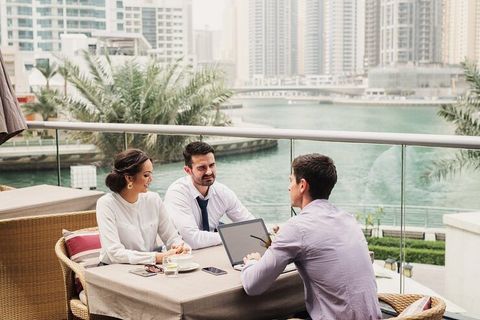
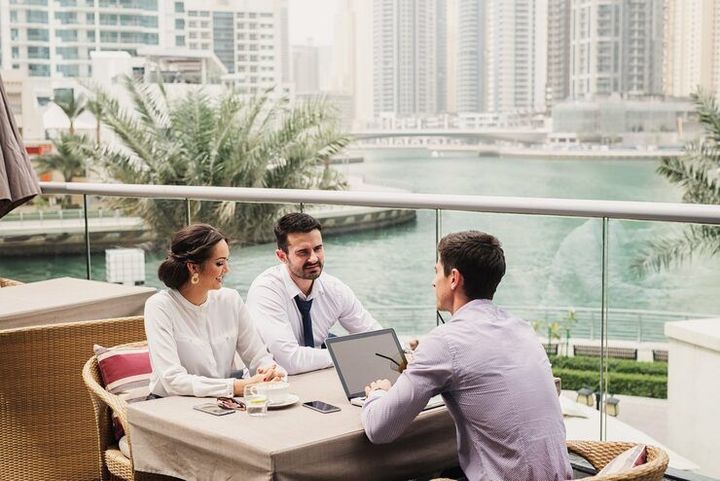
Meeting spaces can range from small rooms for several participants to large halls designed for conferences, presentations, and corporate events. The appropriate setup depends on the number of attendees, presentation requirements, seating arrangement, and duration of the meeting.
Singapore Business Hotel Locations
Location is an important part of business travel planning. Hotels near major commercial districts can reduce travel time between accommodation and meetings, while properties near transportation hubs can make movement around the city easier.
| Area | Common Business Travel Use | Meeting Environment |
|---|---|---|
| Marina Bay | Corporate meetings and conferences | Meeting rooms and larger venues |
| Central Business District | Corporate appointments | Executive meeting spaces |
| Orchard Road | Business and mixed-purpose travel | Meeting rooms and event facilities |
| Bugis | Meetings, education, and conferences | Small and medium meeting spaces |
| HarbourFront | Events and regional meetings | Conference and event facilities |
| Changi area | Transit-oriented business travel | Smaller meeting arrangements |
Importance
Business travel often involves several activities within a limited period. A traveler may need to attend meetings, prepare documents, communicate with colleagues, participate in conferences, and travel between different locations. Singapore business hotels can support these activities through accommodation and dedicated business facilities.
Why Meeting Spaces Matter
A dedicated meeting space provides an environment separate from a guest room or public dining area. This can be useful when discussions involve several participants, presentations, confidential documents, or structured agendas.
Meeting rooms may include tables, chairs, presentation screens, audio equipment, lighting controls, and internet connectivity. Larger conference facilities can also provide different seating layouts depending on the event.
Who Uses Business Hotels
Business-oriented accommodation can be relevant to several groups:
- Corporate travelers attending meetings
- International delegates attending conferences
- Consultants visiting clients or project teams
- Researchers participating in professional events
- Entrepreneurs attending industry gatherings
- Academic groups attending seminars
- Remote professionals combining work and travel
Business travelers should consider both accommodation requirements and meeting requirements. A room may be suitable for overnight accommodation while the meeting facility may need separate evaluation based on seating, technology, privacy, and accessibility.
Planning Around Travel Time
Singapore has a compact urban structure, but traffic, event schedules, and peak travel periods can still affect journey planning. Selecting accommodation near the primary meeting location can simplify daily movement.
Public transportation, taxis, private vehicles, and walking can all form part of a business travel plan. Travelers should allow additional time when attending important meetings, especially when the itinerary includes multiple locations.
Recent Updates
Business travel has increasingly incorporated flexible meeting formats, digital communication, and hybrid participation. Singapore's hospitality and meetings environment has adapted to organizations that combine physical gatherings with remote participants.
Growth of Hybrid Meetings
Meeting spaces increasingly accommodate presentations that involve participants in different locations. This can require larger displays, cameras, microphones, stable internet connectivity, and suitable room acoustics.
For a Singapore business hotel, technology has therefore become an important part of meeting-room planning. Travelers organizing a meeting may need to confirm whether the room supports video conferencing and presentation equipment.
Flexible Business Travel
Business trips are also becoming more flexible. Some travelers combine meetings with additional personal time, while organizations may arrange shorter meetings alongside larger conferences or workshops.
This has increased interest in accommodation that provides several types of spaces, including private meeting rooms, informal discussion areas, lounges, and larger conference facilities.
Sustainability Considerations
Environmental considerations are becoming more visible across business travel and hospitality. Hotels may incorporate energy-efficient lighting, digital communication systems, waste reduction practices, water management, and other operational measures.
For corporate travelers, sustainability requirements can also influence venue selection when an organization has internal environmental policies or reporting requirements.
Digital Travel Planning
Travelers increasingly use mobile applications and digital platforms to organize flights, accommodation, transportation, calendars, meeting schedules, and expense records. Digital check-in and electronic communication can reduce paperwork during a business trip.
A well-organized digital itinerary can also keep meeting locations, reservation details, transportation information, and contact information in one place.
Laws or Policies
Business travel to Singapore is influenced by immigration requirements, accommodation rules, workplace regulations, and venue-related requirements. Requirements can vary according to nationality, purpose of travel, length of stay, and other circumstances.
Entry and Travel Requirements
International visitors should check the current entry requirements applicable to their nationality and travel purpose before departure. Passport validity, immigration documentation, arrival declarations, and other requirements may apply.
Business travelers should distinguish between attending meetings, conferences, seminars, and other permitted activities and activities that may require additional authorization.
Hotel and Guest Regulations
Hotels operate under Singapore's hospitality and regulatory framework. Guest identification and registration procedures may apply during accommodation check-in.
Travelers should provide accurate information during reservations and arrival procedures. Requirements can vary depending on the accommodation provider and the circumstances of the stay.
Meeting and Event Requirements
Large meetings, conferences, exhibitions, and corporate gatherings can involve additional venue, safety, capacity, accessibility, and operational requirements.
Event organizers should confirm the applicable requirements with the venue and relevant authorities when planning larger gatherings. Requirements can differ according to the size and nature of an event.
Data and Workplace Considerations
Business meetings may involve confidential information, employee records, financial documents, or customer information. Organizations should follow their own data protection and information security policies when using shared meeting facilities.
Travelers should also avoid leaving confidential documents unattended in meeting rooms, public areas, or transportation locations.
Tools and Resources
Several digital tools can make business travel planning more organized. These resources can be used before departure and during the trip.
Hotel and Accommodation Platforms
Accommodation platforms allow travelers to compare hotel locations, room categories, meeting facilities, guest reviews, and available amenities. Searching by neighborhood can help identify properties closer to a planned meeting location.
Travelers should examine the actual meeting facilities separately from the guest-room information because a hotel with business-oriented accommodation may have different meeting configurations.
Mapping and Transportation Tools
Digital maps can help calculate approximate travel times between the hotel, airport, meeting venue, restaurants, and other locations. Public transportation applications can also assist with route planning.
A practical itinerary can include estimated journey times and additional time for unexpected delays.
Meeting Planning Templates
Meeting agendas, attendance sheets, presentation checklists, room-layout diagrams, and conference schedules can help organize professional gatherings.
A simple meeting checklist can include:
- Participant count
- Seating arrangement
- Presentation equipment
- Internet requirements
- Audio and video equipment
- Refreshment arrangements
- Meeting duration
- Contact details
- Accessibility requirements
Business Travel Expense Tools
Expense-management applications and spreadsheets can help organize transportation, accommodation, meals, conference expenses, and other business-related records.
Keeping records throughout the trip can make later expense reporting more structured and reduce the need to reconstruct information from receipts and emails.
Calendar and Communication Platforms
Digital calendars can coordinate meetings across time zones, while communication platforms can support messages, video calls, and document sharing. Travelers should verify the local time when coordinating meetings with international teams.
FAQs
What are Singapore business hotels?
Singapore business hotels are accommodations designed to support professional travelers through facilities such as meeting rooms, conference areas, workspaces, internet connectivity, and convenient transportation access.
Which Singapore business hotels have meeting spaces?
Many business-oriented properties in Singapore have meeting rooms or conference facilities, but the size, equipment, seating capacity, and available configurations vary. Travelers should check the specific meeting facilities before making arrangements.
What should I consider when choosing Singapore business hotels?
Location, meeting-room capacity, transportation access, room facilities, internet connectivity, conference equipment, and the structure of the business itinerary are important considerations.
Are Singapore business hotels suitable for conferences?
Some Singapore business hotels have conference halls and larger event spaces suitable for conferences, seminars, workshops, and corporate gatherings. Suitability depends on participant numbers, room configuration, technology requirements, and venue policies.
What should I prepare for a Singapore business trip?
A business traveler can prepare passport and travel documentation, accommodation details, meeting schedules, transportation plans, presentation materials, communication tools, and relevant business documents.
Conclusion
Singapore business hotels combine accommodation with facilities that can support meetings, conferences, professional discussions, and business travel activities. Meeting-room configurations, hotel location, transportation access, digital facilities, and event requirements can vary considerably between properties. Recent business travel trends have increased attention toward hybrid meetings, flexible itineraries, digital planning, and sustainability considerations. Understanding these factors provides a clearer framework for organizing accommodation and professional activities in Singapore.