Explore Rubber Machinery With Modern Processing Systems and Manufacturing Details
Rubber machinery plays an important role in converting natural and synthetic rubber into useful products for transportation, construction, healthcare, industrial production, consumer goods, and many other applications. Explore rubber machinery and its modern processing systems to understand how mixing, molding, extrusion, vulcanization, cutting, and finishing processes are carried out in organized manufacturing environments.
These machines combine mechanical movement, heat, pressure, automation, and material control to create consistent rubber components. Modern rubber manufacturing equipment is also becoming more connected, energy-conscious, and adaptable as producers look for improved process control and material efficiency.
Context
What Rubber Machinery Means
Rubber machinery refers to equipment used to process rubber compounds and transform them into specific shapes, sizes, and physical characteristics. Rubber can begin as natural material harvested from rubber-producing plants or as synthetic material created through chemical processes. Before it becomes a finished component, it normally passes through several stages of preparation and processing.
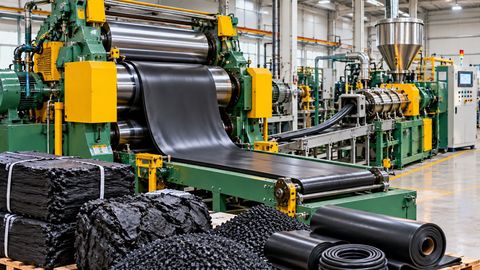
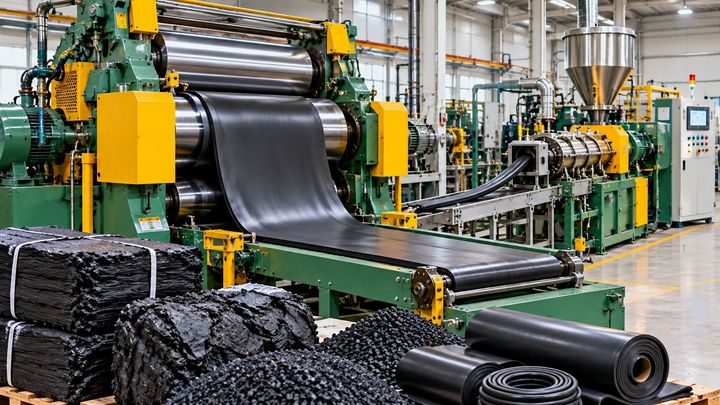
Rubber processing machines are designed for different production stages. Mixing equipment combines rubber with selected ingredients, while mills prepare the compound for further processing. Extrusion systems create continuous profiles, and molding machines shape rubber into specific forms. Vulcanization equipment uses controlled heat and pressure to improve the physical properties of rubber products.
Main Processing Stages
A typical rubber manufacturing process may include several connected operations:
- Material preparation involves weighing, inspecting, and preparing rubber and other ingredients.
- Mixing combines rubber with additives and reinforcing materials.
- Milling helps develop the required compound consistency and form.
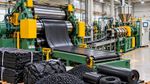
- Extrusion produces continuous shapes such as tubes, seals, strips, and profiles.
- Molding creates defined shapes using compression, transfer, or injection techniques.
- Vulcanization uses heat and pressure to develop the required elasticity and durability.
- Finishing may include trimming, surface treatment, inspection, and dimensional checking.
The exact sequence depends on the product, compound, equipment configuration, and required physical properties.
Types of Rubber Machinery
Rubber machinery includes a broad range of specialized systems. Common examples include rubber mixing machines, two-roll mills, internal mixers, rubber extruders, compression molding machines, injection molding systems, calenders, vulcanization presses, rubber cutting machines, and automated inspection equipment.
Each machine performs a particular processing function. A manufacturing line may therefore contain several types of equipment connected through material handling and control systems.
Importance
Why Rubber Processing Equipment Matters
Rubber components are used in products where flexibility, sealing, vibration control, insulation, and resistance to environmental conditions are important. Tires, gaskets, hoses, belts, seals, rollers, vibration mounts, footwear components, and industrial parts can all involve rubber processing.
Rubber machinery helps manufacturers control important production variables such as temperature, pressure, mixing time, material flow, and curing conditions. Consistent control can help reduce unwanted variation between production batches and support more predictable manufacturing processes.
Industries Using Rubber Machinery
Rubber manufacturing equipment is used across many industrial sectors. Important application areas include:
- Automotive components
- Industrial machinery
- Construction materials
- Electrical and electronic components
- Medical and healthcare products
- Consumer products
- Agricultural equipment
- Transportation systems
- Packaging components
- Infrastructure applications
The requirements differ between industries. A rubber seal may require accurate dimensions, while a vibration mount may require specific elasticity and damping characteristics.
Manufacturing Challenges
Rubber processing can be more complex than simply shaping a solid material. Rubber compounds can respond differently to heat, pressure, mixing conditions, and processing time. Small changes in temperature or formulation can influence the behavior of the final material.
Modern rubber machinery therefore focuses on process monitoring and controlled operation. Sensors, programmable controllers, automated feeding systems, and digital monitoring can help operators observe important processing conditions.
Recent Updates
Automation and Digital Controls
Recent developments in rubber machinery have increasingly focused on automation. Programmable control systems can coordinate temperature, pressure, speed, timing, and material movement across different stages of production.
Digital interfaces also make it easier to monitor operating conditions. Data from sensors can be collected during processing and reviewed to identify unusual changes or equipment conditions that require attention.
Energy and Resource Efficiency
Energy consumption has become an important consideration in rubber manufacturing. Modern processing systems increasingly incorporate improved heating controls, variable-speed drives, optimized motors, and thermal management systems.
Material efficiency is another area of development. Accurate feeding and automated dosing can help reduce unnecessary material variation. Recycling systems are also becoming more relevant as manufacturers examine ways to process rubber waste and recover usable materials.
Smart Rubber Manufacturing
Connected machinery is becoming more common within modern production environments. Industrial communication systems can allow individual machines to exchange operating information with centralized monitoring platforms.
Machine data may include:
| Processing Area | Common Monitoring Information | Manufacturing Purpose |
|---|---|---|
| Mixing | Temperature, time, speed | Compound consistency |
| Extrusion | Pressure, temperature, speed | Profile control |
| Molding | Pressure, temperature, cycle time | Shape consistency |
| Vulcanization | Heat, pressure, curing time | Material development |
| Inspection | Dimensions, surface condition | Quality checking |
| Energy | Power consumption, operating time | Resource monitoring |
Artificial intelligence and machine learning are also being explored for predictive maintenance, process analysis, and automated inspection. These applications are developing alongside conventional industrial control systems rather than replacing every existing process.
Rubber Recycling Technologies
Rubber recycling equipment is receiving increased attention because discarded rubber can create material-management challenges. Shredding, grinding, separation, and granulation systems can process selected rubber waste into smaller particles or reusable feedstock.
The suitability of recycled material depends on its composition, contamination level, intended application, and processing method. Modern recycling systems therefore focus on material separation and controlled processing.
Laws or Policies
Machinery Safety Requirements
Rubber machinery is generally subject to workplace machinery safety requirements in the country where it operates. Regulations commonly address guarding, emergency stopping systems, electrical safety, operator access, maintenance procedures, and risk reduction.
Machines containing moving rolls, presses, cutters, heated surfaces, or high-pressure systems require particular attention because these components can create mechanical or thermal hazards.
Environmental Requirements
Environmental policies can influence rubber manufacturing through requirements related to air emissions, industrial waste, energy use, wastewater, and material disposal. Rubber processing may involve compounds, solvents, dust, fumes, or other substances that require controlled handling depending on the production method.
Waste rubber management is another important area. Regulations may establish requirements for storage, transportation, recycling, treatment, or disposal of industrial rubber waste.
Worker Protection and Training
Workplace rules commonly require suitable operating procedures and training for personnel who work around industrial machinery. Lockout procedures, protective equipment, machine guarding, ventilation, and emergency response arrangements can form part of a broader workplace safety program.
Specific requirements vary by jurisdiction. Manufacturers and operators must follow the applicable machinery, environmental, electrical, and occupational safety rules in their operating location.
Tools and Resources
Machine Selection Resources
Technical catalogs, machinery specifications, process manuals, equipment comparison worksheets, and engineering reference materials can help readers understand different rubber processing systems.
Important specifications to examine may include:
- Processing capacity
- Motor power
- Working temperature
- Maximum operating pressure
- Screw or roll dimensions
- Mold size
- Control system features
- Material compatibility
- Energy requirements
- Safety features
Digital Monitoring Platforms
Industrial monitoring platforms can collect information from connected machines and present operating data through dashboards. These systems may help track production cycles, temperature changes, machine conditions, energy consumption, and equipment alarms.
Manufacturing execution systems can also connect production information with planning and quality-control processes. Their usefulness depends on the size and complexity of the production environment.
Calculation and Planning Tools
Engineering calculators and production worksheets can support basic calculations involving material quantities, machine capacity, cycle times, dimensions, and energy consumption.
For rubber processing, technical information from equipment manufacturers, material suppliers, engineering standards organizations, and workplace safety authorities can provide additional background. The correct reference depends on the application and jurisdiction.
FAQs
What is rubber machinery used for?
Rubber machinery is used to mix, shape, heat, cure, cut, inspect, and finish rubber materials. Common equipment includes rubber mixing machines, mills, extruders, molding systems, calenders, and vulcanization presses.
What are the main types of rubber processing machines?
Common types include internal mixers, two-roll mills, rubber extruders, compression molding machines, injection molding systems, calenders, vulcanization equipment, cutting machines, and inspection systems.
How does modern rubber machinery improve manufacturing control?
Modern rubber machinery can use sensors, programmable controllers, automated material handling, and digital monitoring to control factors such as temperature, pressure, speed, timing, and material flow.
What role does rubber recycling machinery play?
Rubber recycling machinery can shred, grind, separate, or granulate selected rubber waste. The resulting material may be used in applications where its physical and chemical characteristics are appropriate.
What safety considerations apply to rubber machinery?
Important considerations include machine guarding, emergency stopping systems, electrical protection, heat management, operator training, maintenance procedures, and safe handling of moving or pressurized equipment. Requirements vary according to the equipment and local regulations.
Conclusion
Rubber machinery supports a wide range of manufacturing processes, from material mixing and extrusion to molding, vulcanization, inspection, and recycling. Modern systems increasingly use automation, digital controls, sensors, and energy-management technologies to improve process visibility and operational consistency. Environmental requirements, machinery safety rules, and material-recovery practices also influence how rubber processing systems are designed and operated. Understanding the different types of rubber machinery helps readers recognize how raw rubber compounds are transformed into functional industrial and consumer components.