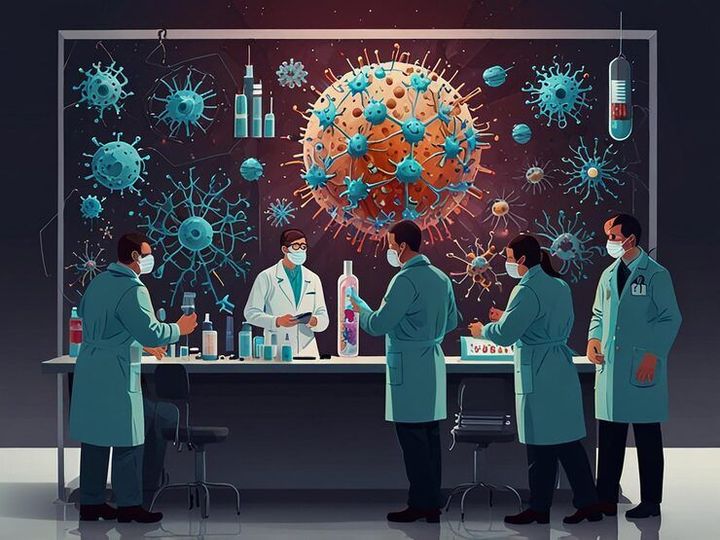
Viral Vectors Explained: A Simple Guide to Their Role in Modern Medicine
Viral vectors are carefully engineered viruses used by scientists and doctors to deliver genetic material into human cells. In nature, viruses enter cells to replicate themselves. In medical science, this natural ability is modified and redirected for beneficial purposes.
Instead of causing disease, viral vectors are altered so they cannot replicate or trigger illness. Their role is to transport specific genetic instructions into target cells. These instructions may help cells produce helpful proteins, correct faulty genes, or stimulate immune responses.
Viral vectors exist because many medical conditions begin at the genetic or cellular level. Traditional treatments often manage symptoms rather than addressing underlying causes. Viral vector technology was developed to support more precise, cell-level medical approaches.
Why Viral Vectors Matter Today
Viral vectors play a growing role in modern healthcare because they support advanced medical strategies that were not possible a few decades ago. They affect patients, researchers, healthcare systems, and public health planning worldwide.
Key reasons viral vectors are important today include:
-
Rising focus on genetic and personalized medicine
-
Increasing prevalence of inherited and complex diseases
-
Demand for targeted vaccine technologies
-
Ongoing research into long-term treatment strategies
They are commonly associated with:
-
Gene therapy research
-
Vaccine development
-
Cancer treatment studies
-
Rare disease investigations
Viral vectors help address challenges such as inefficient drug delivery, limited immune response, and difficulty targeting specific cells. By improving precision, they contribute to safer and more effective medical research pathways.
Common Types of Viral Vectors Used in Medicine
Different viral vectors are selected based on safety, delivery efficiency, and the type of cells being targeted. Each has unique characteristics.
Adeno-associated virus (AAV) vectors
AAV vectors are valued for their low immune response and stability. They are frequently used in gene therapy studies targeting long-lasting effects.
Lentiviral vectors
Derived from retroviruses, these vectors integrate into the host genome. They are mainly used in laboratory and clinical research involving long-term gene expression.
Modified vaccinia virus vectors
These vectors are explored in cancer immunotherapy research due to their ability to stimulate immune activity.
Recent Developments and Trends
Over the past year, viral vector research has continued to advance, particularly in gene therapy and vaccine science.
In 2024, research publications highlighted improvements in viral vector manufacturing efficiency, reducing contamination risks and improving consistency. Advances in vector engineering have also focused on minimizing immune reactions.
Key trends observed during 2024–2025 include:
-
Improved vector targeting accuracy
-
Expansion of viral vector platforms in rare disease trials
-
Greater emphasis on long-term safety monitoring
-
Increased collaboration between academic and public health institutions
Several clinical studies reported more stable gene expression results, supporting broader exploration of viral vector-based therapies. Regulatory agencies also issued updated technical guidance to reflect these developments.
Laws, Regulations, and Policy Oversight
Viral vectors are governed by strict regulations due to their biological nature and medical impact. Oversight ensures patient safety, ethical research practices, and controlled clinical use.
In the United States, viral vector research and applications are regulated by the Food and Drug Administration. The FDA reviews clinical trial protocols, manufacturing processes, and post-study safety data.
In Europe, oversight is handled by the European Medicines Agency, which evaluates advanced therapy medicinal products, including gene therapies using viral vectors.
Common regulatory requirements include:
-
Preclinical safety testing
-
Ethical committee approvals
-
Controlled clinical trial phases
-
Long-term follow-up monitoring
Many countries align their national policies with World Health Organization biosafety recommendations, ensuring consistent global standards.
Tools, Platforms, and Educational Resources
Several tools and resources support understanding and research related to viral vectors. These are commonly used by students, researchers, and healthcare professionals.
Helpful resources include:
-
National Institutes of Health (NIH) genetic research databases
-
Clinical trial registries for gene therapy studies
-
Bioinformatics platforms for vector design modeling
-
Academic journals covering molecular medicine
-
Educational portals explaining gene delivery mechanisms
These resources focus on knowledge-sharing, safety evaluation, and scientific transparency rather than promotion.
Viral Vector Applications at a Glance
The table below outlines key applications and their primary goals.
| Medical Area | Role of Viral Vectors | Main Objective |
|---|---|---|
| Gene Therapy | Deliver functional genes | Correct genetic disorders |
| Vaccinology | Trigger immune response | Disease prevention |
| Oncology Research | Target cancer cells | Support immune activation |
| Neurology Studies | Reach nerve cells | Study genetic brain disorders |
This overview highlights how viral vectors serve different medical fields with distinct purposes.
Safety and Ethical Considerations
Safety is a central focus in viral vector research. Scientists design vectors to reduce immune reactions and prevent unintended genetic changes.
Ethical oversight addresses concerns such as:
-
Informed consent
-
Long-term monitoring responsibilities
-
Genetic data privacy
-
Responsible use of biotechnology
Continuous review helps ensure that viral vector use remains aligned with public health interests and scientific integrity.
Frequently Asked Questions
Are viral vectors the same as viruses that cause illness?
No. Viral vectors are modified so they cannot cause disease. They are designed only to deliver genetic material safely.
Are viral vectors used only in gene therapy?
They are used in gene therapy, vaccine research, and some cancer-related studies, among other scientific applications.
Do viral vectors permanently change DNA?
Some vectors integrate into DNA, while others do not. The choice depends on the medical goal and safety considerations.
Are viral vector treatments widely available?
Most viral vector applications are still part of controlled clinical research or limited approved therapies, depending on the country.
How long have viral vectors been studied?
Research began several decades ago, with major progress occurring from the early 2000s onward.
Concluding Overview
Viral vectors represent a significant scientific advancement in how medicine approaches genetic and cellular-level challenges. By adapting natural biological mechanisms, researchers have developed tools that support precise delivery of genetic information.
Their growing role in gene therapy, vaccine development, and biomedical research reflects a broader shift toward targeted medical strategies. With ongoing regulatory oversight, ethical review, and scientific innovation, viral vectors continue to shape the future of modern medicine in a measured and responsible way.
Disclaimer: The information provided in this article is for informational purposes only. We do not make any claims or guarantees regarding the accuracy, reliability, or completeness of the information presented. The content is not intended as professional advice and should not be relied upon as such. Readers are encouraged to conduct their own research and consult with appropriate professionals before making any decisions based on the information provided in this article.