Explore the Turkish Riviera With Beaches, Resorts, and Travel Information
The Turkish Riviera is a coastal tourism region extending along Turkiye’s Mediterranean shoreline, with Antalya and Mugla forming two major areas associated with the destination.
It combines beaches, resort towns, marinas, historic settlements, natural landscapes, and outdoor activities. The region is also commonly known as the Turquoise Coast because of the color and clarity associated with parts of its Mediterranean waters. Go Türkiye
The area developed as an important holiday destination because of its long coastline, Mediterranean climate, accessible coastal towns, and concentration of natural and cultural attractions. Visitors can move between larger resort centers such as Antalya, Kemer, Belek, Bodrum, Marmaris, and Fethiye and smaller destinations such as Kaş, Kalkan, Çıralı, Datça, and Göcek.
Main destinations
Antalya is one of the principal gateways to the Turkish Riviera. Its surrounding coastline includes Lara, Kemer, Belek, Side, Alanya, Kaş, Kalkan, and Patara, each providing different combinations of beaches, accommodation, history, and outdoor activities.
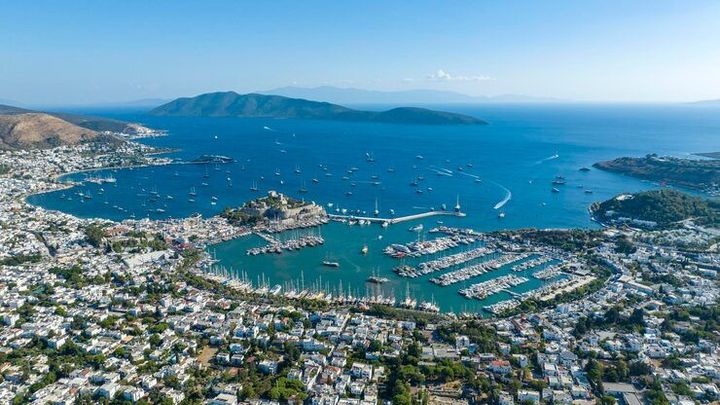
Muğla provides another major part of the coastal region. Bodrum, Marmaris, Fethiye, Göcek, and Datça are associated with sailing, coves, archaeological sites, coastal walks, and resort accommodation.
| Destination | Main travel features | Suitable interests |
|---|---|---|
| Antalya | Beaches, historic areas, urban facilities | Mixed coastal trips |
| Kemer | Beaches, mountains, water activities | Resort holidays |
| Belek | Beaches, resort areas, nature | Relaxation and recreation |
| Kaş | Diving, coves, old town character | Outdoor and cultural travel |
| Fethiye | Lagoons, beaches, marinas, hiking | Nature and boating |
| Bodrum | Coastal towns, marina areas, history | Culture and seaside travel |
| Marmaris | Bays, boating, forests | Coastal exploration |
| Datça | Quiet coves, villages, nature | Slower-paced travel |
Importance
Why the region matters
The Turkish Riviera matters because it brings together several forms of tourism within one broad coastal area. A traveler can combine swimming and beach activities with archaeological visits, hiking, diving, sailing, local food experiences, and exploration of traditional settlements.
The region also demonstrates how tourism and environmental protection can exist alongside one another. Several coastal locations have protected status because of their ecological, archaeological, or landscape value. These areas require visitors to follow specific rules concerning access, construction, boating, wildlife, and other activities. TVK
Different types of travelers
The Turkish Riviera is not limited to one type of holiday. Families may focus on accessible beaches and resort areas, while independent travelers may prefer smaller coastal towns and historical routes. Divers, hikers, sailors, photographers, and archaeology enthusiasts can also find activities suited to their interests.
Fethiye, for example, is associated with boating, diving, hiking, paragliding, and access to surrounding bays. Kaş is particularly recognized for diving and nearby coastal and archaeological sites. Go Türkiye
Beaches and coastal landscapes
The coastline includes long sandy beaches, rocky coves, lagoons, sheltered bays, and stretches surrounded by forests or mountains. Patara, Ölüdeniz, Kaputaş, Lara, Çıralı, and beaches around Bodrum and Fethiye illustrate the range of coastal environments found across the region.
Some beaches also have ecological importance. Patara, for example, is a protected area and an important nesting location for loggerhead sea turtles. Access and nighttime activity are therefore subject to conservation measures during the nesting period. Go Türkiye
Recent Updates
Tourism trends from 2024 to 2026
Tourism across Türkiye remained internationally significant during the 2024–2026 period, with coastal destinations continuing to attract visitors. Official tourism reporting stated that Türkiye recorded more than 62 million visitors and approximately 61.1 billion dollars in tourism revenue during 2024. Basin
Antalya continued to experience substantial international visitor activity. Official figures reported more than 16.3 million foreign visitors to Antalya during the first ten months of 2025, indicating continued demand for Mediterranean coastal travel. Basin
Broader travel patterns
Another noticeable development has been the diversification of tourism beyond traditional beach holidays. Türkiye has been promoting combinations of cultural, gastronomic, sports, health, and coastal tourism, giving destinations such as Antalya and Muğla broader seasonal relevance. Disi Lisikiler
Interest in boating and blue-water routes has also remained prominent. Routes connecting Bodrum, Göcek, Fethiye, Kaş, and Kekova combine coastal scenery with archaeological and marine attractions.
Sustainable coastal travel
Environmental awareness is increasingly important in protected coastal locations. Turtle nesting beaches, marine conservation areas, natural sites, and protected bays can have restrictions on lighting, access, construction, anchoring, or other activities.
Travelers should therefore distinguish between general beaches and protected areas because the rules can differ substantially from one location to another.
Laws or Policies
Coastal access and development
Türkiye has specific legal rules governing coastal areas. Article 43 of the Turkish Constitution establishes principles concerning public use of coasts, while the Coastal Law No. 3621 regulates coastal planning, use, and development. Government planning guidance states that coastal areas are subject to public-interest principles and that construction rights are restricted. MPGM
This framework affects resorts, marinas, recreational facilities, roads, and other coastal development. Certain construction or alterations require planning decisions and compliance with applicable environmental and land-use rules.
Protected natural areas
Several Turkish Riviera destinations have special environmental protection status. Examples include Belek, Datça-Bozburun, Fethiye-Göcek, Kaş-Kekova, Köyceğiz-Dalyan, Gökova, and Patara. Protected-area rules can limit activities that might damage habitats, archaeological resources, or coastal ecosystems. TVK
Visitors should also understand that conservation requirements can affect ordinary recreational activities. For example, turtle nesting beaches may have specific nighttime restrictions, while protected marine areas may regulate boating or diving.
Entry requirements
Entry requirements depend on nationality, passport type, and travel purpose. Türkiye's official e-Visa system states that eligible travelers can use an electronic visa for tourism or business purposes, while other travel purposes may require a different visa process. Passport validity requirements also apply. eVisa Turkey
Because immigration requirements can change, travelers should verify their individual eligibility and documentation requirements before departure.
Tools and Resources
Travel planning tools
Several types of digital resources can help organize a Turkish Riviera trip. Mapping applications can be used to compare driving distances between Antalya, Fethiye, Kaş, Bodrum, Marmaris, and other coastal destinations. Navigation tools are particularly useful because mountainous roads can make travel times longer than straight-line distances suggest.
Weather applications can help compare conditions before beach, hiking, sailing, or diving activities. Travelers should also check local marine and weather information when planning activities on the water.
Accommodation research
Hotel comparison platforms and official accommodation pages can help travelers examine different property categories, locations, room types, facilities, and guest policies. Comparing accommodation by neighborhood can be more useful than looking only at the town name because coastal destinations can cover substantial distances.
Transport planning
Airports serving Antalya and the wider Muğla region provide access to different sections of the Riviera. Rental-car planning, intercity buses, local transport, ferries where available, and boat connections can all play a role depending on the itinerary.
A simple planning table can help organize the journey:
- Arrival point: Select an airport or transport hub close to the first destination.
- Coastal base: Choose one or more towns according to the preferred activities.
- Day trips: Allow time for nearby beaches, archaeological sites, or nature areas.
- Seasonal conditions: Check weather and sea conditions before outdoor activities.
- Protected areas: Review local access and conservation rules.
- Documentation: Confirm passport and visa requirements before travel.
Cultural and natural information
Official tourism resources, museum information, protected-area information, maps, and archaeological site resources can provide useful background before visiting. The Lycian Way is another notable resource for travelers interested in walking routes, connecting parts of the Mediterranean coastline between Fethiye and Antalya. Go Türkiye
FAQs
What is the Turkish Riviera known for?
The Turkish Riviera is known for Mediterranean beaches, resort towns, archaeological sites, marinas, coves, outdoor activities, and coastal landscapes. Antalya and Muğla contain many of its major destinations.
Which Turkish Riviera beaches are widely known?
Patara, Kaputaş, Ölüdeniz, Lara, and beaches around Fethiye and Bodrum are among the widely recognized coastal locations. Individual beaches differ in size, landscape, access arrangements, and conservation requirements.
When is a suitable time to explore Turkish Riviera resorts?
The warmer months are generally associated with beach tourism, while spring and autumn can provide different conditions for hiking, sightseeing, and coastal exploration. Actual weather varies by location and year.
Are Turkish Riviera beaches protected?
Some are. Areas such as Patara and parts of the Fethiye, Kaş-Kekova, and other coastal regions have environmental protection measures. Visitors may encounter restrictions intended to protect wildlife and sensitive habitats. TVK
What travel information should visitors check before visiting Türkiye?
Travelers should check passport validity, visa or e-Visa eligibility, entry conditions, transportation arrangements, accommodation details, weather conditions, and any rules affecting protected beaches or natural areas.
Conclusion
The Turkish Riviera combines Mediterranean beaches, resort destinations, historic sites, protected landscapes, and outdoor activities across a broad coastal region. Antalya, Kaş, Fethiye, Bodrum, Marmaris, and Datça provide different travel environments, making the area suitable for varied interests. Recent tourism trends show continued international attention toward the region alongside growing emphasis on cultural, outdoor, and environmentally responsible travel. Entry requirements and protected-area rules should be checked according to the specific destination and traveler circumstances.