Explore Neihu Luxury Homes With Property Trends, Lifestyle Features, and Housing Insights
Neihu is a district in Taipei known for a combination of residential neighborhoods, technology-related business areas, green spaces, transportation connections, and hillside landscapes.
Explore Neihu Luxury Homes With Property Trends, Lifestyle Features, and Housing Insights
Context
Understanding Neihu Luxury Homes
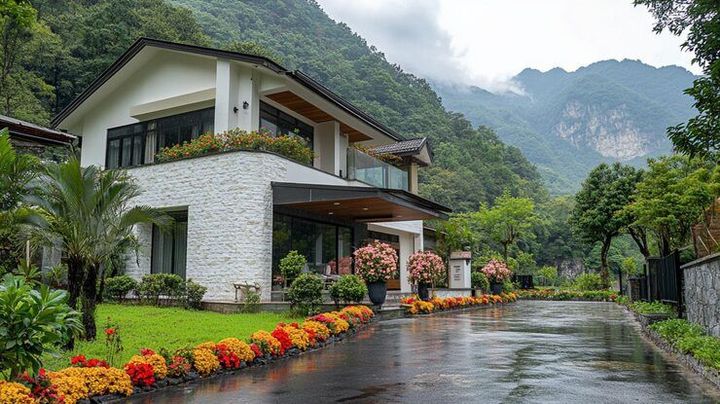
Neihu is a district in Taipei known for a combination of residential neighborhoods, technology-related business areas, green spaces, transportation connections, and hillside landscapes. Neihu luxury homes generally refer to higher-end residential properties that provide larger living areas, upgraded interiors, private amenities, modern building systems, and locations with access to important parts of the district.
The development of Neihu has been influenced by its changing urban structure. Areas that once had a more suburban character gradually gained residential communities, commercial activity, technology campuses, schools, transportation connections, and recreational spaces. This combination has created demand for housing that provides both urban convenience and a quieter residential environment.
What Defines a Luxury Home in Neihu
The meaning of luxury housing can vary between households. A property may be considered higher-end because of its floor area, building quality, location, view, privacy, architectural design, or combination of these factors.
Common characteristics include:
- Larger interior layouts
- Multiple bedrooms and bathrooms
- High-quality construction materials
- Large windows and natural lighting
- Balconies or private outdoor areas
- Dedicated parking spaces
- Security and controlled building access
- Landscaped communal areas
- Modern elevators and building systems
- Views toward mountains, parks, or city areas
A luxury home does not necessarily have every feature on this list. Housing preferences depend on household size, lifestyle, age, transportation needs, and long-term plans.
Major Residential Areas
Neihu contains several distinct residential environments. Some neighborhoods are closer to commercial and transportation corridors, while others provide more residential surroundings near parks, waterways, or hillsides.
The district includes areas around Neihu Road, Minquan East Road, Kangning Road, Dahu Park, Bihu Park, and surrounding residential streets. Each area has different building ages, layouts, transportation patterns, and environmental characteristics.
Importance
Why Neihu Luxury Homes Matter
Neihu luxury homes are relevant to households that want a combination of residential comfort and access to urban infrastructure. The district's connection with employment centers, educational facilities, transportation routes, shopping areas, parks, and recreational locations makes housing decisions more complex than simply comparing interior size.
A property with a large floor area may have different practical value from a smaller residence in a location with easier transportation. Likewise, a newer building may provide modern facilities while an older property may have a larger layout or a more established neighborhood environment.
Lifestyle Considerations
Lifestyle is an important part of evaluating higher-end residential housing. Families may prioritize schools, parks, bedrooms, storage, parking, and access to daily necessities. Professionals may place greater emphasis on commuting time, transportation connections, workspace areas, and building facilities.
Residents who prefer outdoor activities may consider proximity to Dahu Park, Bihu Park, hiking routes, and other green areas. People who prefer a more urban environment may focus on commercial streets and transportation corridors.
Property Factors to Compare
When examining Neihu housing, several characteristics can be considered together:
| Housing Factor | What to Examine | Why It Matters |
|---|---|---|
| Location | Street, neighborhood, nearby facilities | Affects daily convenience |
| Building age | Construction period and maintenance | Helps understand building condition |
| Floor area | Interior and shared areas | Indicates available living space |
| Layout | Bedrooms, bathrooms, living areas | Affects household usability |
| Floor level | Lower, middle, or higher floors | Can influence views and noise |
| Orientation | Window and balcony direction | Affects daylight and ventilation |
| Parking | Type and assigned space | Important for vehicle owners |
| Building facilities | Common areas and equipment | Influences residential experience |
| Surroundings | Roads, parks, businesses, schools | Shapes neighborhood conditions |
| Transaction history | Previous recorded transactions | Helps understand market activity |
Challenges for Everyday Households
Higher-end housing can involve complicated information. Property descriptions may use different methods for measuring floor area, and shared spaces can make comparisons less straightforward.
Building age is another important factor. Two residences with similar interior dimensions can have substantially different characteristics because of construction standards, renovation history, building management, or structural design.
Transportation should also be evaluated at the neighborhood level. A location that appears convenient on a map may have different travel conditions depending on walking routes, road traffic, public transportation access, and daily travel schedules.
Recent Updates
Changing Housing Preferences
From 2024 through 2026, housing discussions in Taipei have continued to emphasize location quality, building condition, household affordability, financing conditions, and transaction transparency. Higher-end buyers have also shown interest in properties that combine larger layouts with modern building features.
Energy efficiency and indoor comfort have become increasingly relevant considerations. Features such as improved insulation, efficient air-conditioning systems, natural lighting, ventilation, and energy-conscious building equipment can influence how residents evaluate newer properties.
Interest in Green and Open Surroundings
Residential demand in areas with access to parks and natural surroundings continues to reflect broader urban living preferences. Neihu has an unusual combination of metropolitan connections and access to green spaces, which can make surrounding environmental conditions an important part of housing comparisons.
Views are another factor. Properties facing open landscapes, parks, hills, or less obstructed surroundings may have different residential characteristics from properties surrounded by dense buildings.
Technology and Residential Buildings
Modern residential buildings increasingly incorporate digital access systems, building monitoring equipment, energy-management technologies, and connected household functions. These features can improve convenience, but their usefulness depends on maintenance, compatibility, privacy considerations, and long-term building management.
For Neihu luxury homes, technology should therefore be evaluated as one part of overall building quality rather than as the only indicator of housing quality.
Market Information and Transparency
Taiwan's property market has continued moving toward greater transaction transparency. Publicly available transaction information allows households to examine historical property activity and compare characteristics such as location, floor area, floor level, and transaction period.
However, historical records should not be treated as a direct prediction of future property values. Differences between individual buildings and units can significantly affect comparisons.
Laws or Policies
Property Transaction Rules
Property transactions in Taiwan are shaped by national laws and Taipei municipal rules. The Land Act, Real Estate Broking Management Act, Building Act, Urban Planning Act, and related regulations influence property ownership, transactions, building conditions, land use, and development.
Taiwan also operates an actual-price registration system commonly known as real-price registration. Transaction information is recorded and made available through government systems, helping the public understand reported transaction activity.
Property and Land Taxes
Residential property ownership can involve different forms of taxation related to land and buildings. Land value tax, house tax, and transaction-related tax rules can vary according to ownership circumstances, property characteristics, holding period, and applicable regulations.
Tax treatment can change when regulations are amended, so historical assumptions should not automatically be applied to a current property assessment.
Building and Land Use Controls
Neihu properties are also affected by zoning and urban planning requirements. Zoning can determine permitted building uses, development conditions, building intensity, and other characteristics.
Building regulations address matters such as structural safety, fire protection, accessibility, construction standards, and alterations. Renovation plans therefore need to consider both the physical building and applicable regulations.
Mortgage and Housing Measures
Taiwan's financial authorities and central banking system have periodically adjusted housing-related lending measures. These measures can influence lending conditions for particular categories of property purchasers and borrowers.
For households reviewing Neihu luxury homes, financing assumptions should be separated from the physical characteristics of the property. Lending conditions can change independently of neighborhood conditions.
Tools and Resources
Government Property Data
Government property databases can help readers examine recorded transaction information, land information, building details, and related public records. These databases are useful for comparing properties within similar neighborhoods.
When reviewing transaction data, it is useful to compare several characteristics rather than relying on one recorded figure.
Mapping and Transportation Tools
Digital mapping platforms can help evaluate walking distances, transportation connections, road access, nearby parks, schools, shopping areas, and commuting routes.
For Neihu properties, map-based analysis can be particularly useful because neighborhood conditions can change significantly between major roads and quieter residential streets.
Housing Calculators
Mortgage calculators can help users understand hypothetical monthly repayment amounts under different assumptions. Property tax calculators and household budgeting worksheets can also help organize recurring housing expenses.
These tools provide estimates rather than personal financial advice, so actual lending and tax conditions should be verified through appropriate professional or official channels.
Property Comparison Templates
A simple comparison spreadsheet can organize:
- Building age
- Interior floor area
- Total registered area
- Floor level
- Number of rooms
- Parking arrangement
- Orientation
- Nearby transportation
- Nearby green spaces
- Building facilities
- Recorded transaction information
- Renovation condition
Using the same categories for each property makes comparisons easier and reduces the chance of overlooking important details.
FAQs
What are Neihu luxury homes?
Neihu luxury homes are higher-end residential properties in Taipei's Neihu District. They may feature larger layouts, upgraded materials, modern building systems, parking, enhanced privacy, and locations near transportation or green spaces.
Why are Neihu luxury homes associated with lifestyle features?
Neihu combines residential communities, business areas, parks, transportation connections, and hillside environments. This allows housing comparisons to include factors such as outdoor access, commuting, privacy, building facilities, and neighborhood surroundings.
What property trends affect Neihu housing?
Recent trends include greater attention to building quality, transaction transparency, energy efficiency, modern residential technology, green surroundings, transportation access, and practical household layouts.
How can buyers research Neihu property trends?
Public transaction databases, mapping platforms, housing calculators, property comparison spreadsheets, and official planning information can help readers organize housing information. Individual property records should be reviewed carefully because units within the same building can differ considerably.
What rules apply to Neihu luxury homes?
Neihu properties are affected by Taiwan's land, building, urban planning, taxation, transaction registration, and housing finance rules. Applicable requirements depend on the property and transaction circumstances.
Conclusion
Neihu luxury homes represent a residential segment shaped by location, building quality, lifestyle preferences, transportation, green surroundings, and broader housing trends. Understanding property characteristics alongside transaction records and applicable regulations provides a more complete picture of the market. Recent housing discussions have placed greater attention on transparency, building condition, energy efficiency, and practical living environments. Neihu therefore remains a district where residential decisions involve several interconnected factors rather than property size alone.