Discover 5 Star Resort Escapes With Wellness, Dining, and Recreation Insights
5 star resort escapes are designed around accommodation, relaxation, dining, wellness, recreation, and destination experiences within a coordinated hospitality environment.
The concept developed from the growth of full-scale resort destinations that combine comfortable rooms with leisure facilities, restaurants, wellness areas, outdoor activities, and spaces for social or private time.
Unlike accommodation focused mainly on overnight stays, a resort escape generally provides several types of experiences in one destination. Guests may spend part of their stay in a wellness area, restaurant, swimming pool, fitness facility, landscaped outdoor space, or recreational area without needing to travel between multiple locations.
The phrase 5 star resort is commonly associated with a high level of accommodation quality and a broad selection of facilities. However, rating systems differ between countries and regions, so the meaning of a five-star classification can vary according to the applicable local assessment framework.
Main Elements of a Resort Escape
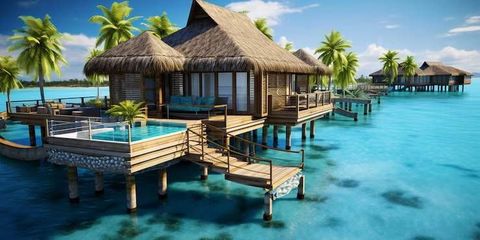
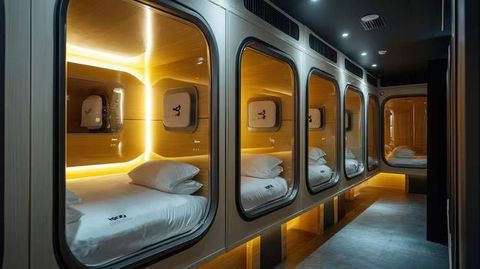
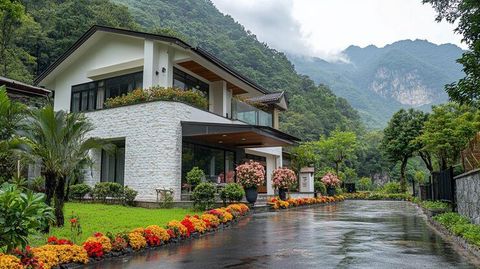
A 5 star resort experience can include several interconnected elements. Accommodation may range from standard guest rooms to suites, villas, or private residences. Dining areas can include restaurants, cafés, lounges, specialty dining spaces, and in-room dining arrangements.
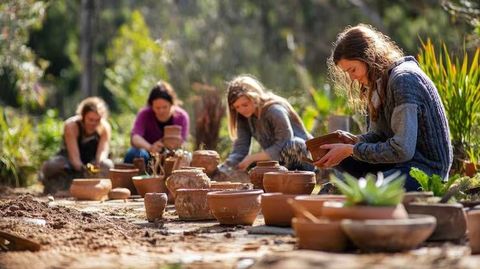
Wellness facilities may include spas, treatment rooms, fitness centers, yoga areas, relaxation rooms, pools, and outdoor wellness spaces. Recreation can include swimming, tennis, golf, water activities, guided outdoor experiences, children's activities, and other leisure programs depending on the destination.
| Resort Element | Common Features | Main Purpose |
|---|---|---|
| Accommodation | Rooms, suites, villas | Rest and privacy |
| Wellness | Spa, fitness, relaxation areas | Personal wellbeing |
| Dining | Restaurants, cafés, lounges | Meals and social experiences |
| Recreation | Pools, sports, outdoor activities | Leisure and activity |
| Outdoor Areas | Gardens, beaches, terraces | Relaxation and destination enjoyment |
| Guest Facilities | Concierge desks, transport coordination, lounges | Convenience and trip organization |
The combination of these elements allows travelers to structure a stay around relaxation, recreation, cultural exploration, or a mixture of different activities.
Importance
Why Resort Escapes Matter
Travel patterns have changed as people increasingly look for experiences that combine accommodation with leisure and wellbeing. A resort can provide several activities within one property, which can simplify planning for travelers who want a varied itinerary without arranging every activity independently.
Wellness has also become an important part of resort planning. Travelers may look for fitness facilities, relaxation spaces, healthy dining choices, meditation areas, pools, or scheduled wellbeing activities. These features can appeal to people who want to maintain familiar routines while traveling.
Dining is another major consideration. Resort dining can range from casual meals to specialty restaurants, with menus influenced by regional ingredients and international cuisines. Understanding the available dining formats can help travelers plan meals around dietary preferences, schedules, and activity plans.
Who Uses 5 Star Resort Escapes
Different groups may approach resort stays in different ways. Families may prioritize room configurations, children's activities, pools, and dining flexibility. Couples may focus more on privacy, wellness facilities, restaurants, and destination experiences.
Business travelers extending a trip for leisure may look for fitness facilities, quiet spaces, reliable connectivity, and convenient access to transportation. Solo travelers may place greater emphasis on wellness programs, recreational activities, dining choices, and opportunities to explore the surrounding area.
Planning Challenges
Choosing a resort can involve comparing many factors at the same time. A property may have extensive facilities but be located far from major attractions, while another may provide convenient access to a destination but have fewer on-site recreational options.
Travelers should therefore examine several details rather than relying only on a star classification. Important considerations can include:
Room category and occupancy
Location and transportation access
Dining formats and operating schedules
Wellness and fitness facilities
Recreation and activity availability
Accessibility features
Family or age-related policies
Seasonal operating arrangements
Cancellation and booking conditions
These factors help create a more complete picture of what a particular resort escape involves.
Recent Updates
Wellness as a Central Resort Feature
Recent hospitality trends have placed greater attention on wellness as part of the overall travel experience. Resorts increasingly integrate fitness areas, spa facilities, outdoor movement spaces, relaxation zones, and wellbeing-oriented activities into their broader accommodation concepts.
Wellness-focused travel does not necessarily mean intensive programs. For many travelers, it can simply involve access to exercise facilities, quiet surroundings, nutritious meal choices, swimming, walking areas, or spaces for relaxation.
More Flexible Dining Concepts
Resort dining has also developed beyond conventional dining rooms. Many properties now organize several dining formats within the same destination, including casual restaurants, specialty dining, cafés, outdoor dining areas, and flexible meal settings.
Menus may also reflect greater attention to dietary preferences. Vegetarian, plant-based, allergen-aware, and culturally diverse food choices can be found at many international resort destinations, although availability varies by property.
Recreation and Outdoor Experiences
Recreation has become increasingly connected with the destination surrounding a resort. Properties located near coastlines, mountains, forests, lakes, or cultural attractions may organize experiences that encourage guests to explore their surroundings.
Technology also plays a role in planning. Digital booking systems, mobile property information, electronic check-in processes, activity schedules, and digital dining information can make it easier for travelers to organize their stay.
Sustainability Considerations
Environmental considerations have become more visible within hospitality. Some resorts have introduced measures involving energy efficiency, water management, waste reduction, local sourcing, landscaping practices, and reduced use of disposable materials.
The presence of a sustainability program does not automatically indicate the same environmental performance across properties. Travelers interested in these matters should examine the specific practices and certifications associated with an individual resort.
Laws or Policies
Accommodation Standards
The classification of a 5 star resort is generally influenced by the hospitality standards or rating systems applicable in the destination. These systems can consider factors such as accommodation facilities, cleanliness, reception arrangements, dining areas, accessibility, safety provisions, and available amenities.
There is no single worldwide legal definition that gives every five-star property identical requirements. National tourism authorities, regional organizations, independent classification bodies, or industry associations may apply different frameworks.
Health and Safety Requirements
Resorts are generally subject to local rules concerning building safety, fire protection, food hygiene, swimming pools, sanitation, workplace practices, and emergency procedures. The specific requirements depend on the jurisdiction where the property operates.
Food preparation areas may need to follow local hygiene standards, while pools and recreational facilities can be subject to safety and maintenance requirements. Travelers should understand that these regulations are designed to address public safety and operational standards rather than define the overall quality of a resort experience.
Accessibility Policies
Accessibility requirements may apply to accommodation, public areas, entrances, bathrooms, transportation arrangements, and other facilities. However, the exact requirements differ by jurisdiction.
Travelers with accessibility needs may need to confirm room layouts, elevators, accessible pathways, bathroom arrangements, pool access, and transportation options before finalizing their travel plans.
Booking and Cancellation Rules
Resort reservations are also affected by property policies and applicable consumer protection rules. Conditions can cover deposits, cancellation windows, changes to reservations, identification requirements, occupancy limits, additional charges, and refund procedures.
These terms can differ substantially between properties and booking channels. Reviewing the applicable conditions before confirming a reservation helps travelers understand their responsibilities and available options.
Tools and Resources
Resort Comparison Tools
Travel planning platforms can help users compare accommodation categories, facilities, dining arrangements, location information, guest reviews, and available room types. Search filters can narrow results based on destination, dates, room configuration, amenities, and traveler requirements.
Maps and Destination Planning
Digital mapping platforms can help travelers understand the relationship between a resort and nearby airports, beaches, attractions, shopping areas, cultural sites, transportation hubs, and recreational destinations.
Location information is particularly useful because a resort may provide extensive on-site facilities while being located far from the attractions a traveler wants to visit.
Travel Budget Worksheets
A simple travel budget worksheet can organize accommodation expenses, transportation, meals, activities, insurance, and other planned spending. A worksheet can also separate fixed reservations from flexible daily spending.
Useful categories include:
Accommodation
Transportation
Dining
Recreation
Wellness activities
Local attractions
Travel documentation
Emergency planning
Resort Information Materials
Official property information, destination tourism portals, accommodation policies, room descriptions, activity schedules, dining information, and accessibility details can provide useful planning information. Travelers should compare information across relevant sources because facilities, schedules, and policies can change.
FAQs
What is included in a 5 star resort escape?
A 5 star resort escape may include upscale accommodation, multiple dining areas, wellness facilities, recreational spaces, pools, fitness areas, and destination activities. The exact facilities depend on the individual property and local classification system.
Are 5 star resort wellness facilities included with accommodation?
Not necessarily. Some wellness facilities may be available as part of the accommodation package, while particular treatments, activities, classes, or specialized facilities may have separate charges or booking requirements. Property-specific conditions should be reviewed.
What dining options are common at a 5 star resort?
Dining options can include restaurants, cafés, lounges, specialty dining venues, outdoor dining, and in-room dining. The number and type of venues vary according to the resort's size, location, and operating model.
What recreation activities can be found at a 5 star resort?
Common recreational options include swimming pools, fitness facilities, tennis, golf, water activities, walking areas, children's programs, and outdoor excursions. Availability depends heavily on the destination and property.
Does a five-star rating mean every resort has the same facilities?
No. Star classification systems vary between countries and organizations. Two properties with the same classification can have different room types, dining concepts, wellness facilities, recreation programs, and accessibility arrangements.
Conclusion
5 star resort escapes combine accommodation with wellness, dining, recreation, and destination experiences in one hospitality environment. Current resort planning increasingly considers wellbeing, flexible dining, outdoor recreation, technology, sustainability, and accessibility alongside traditional accommodation features. Classification systems and operating policies vary across destinations, making property-specific information important when evaluating facilities and conditions. A clear understanding of accommodation, wellness, dining, recreation, location, and applicable policies provides a more complete view of the resort experience.