A Simple Guide to Carbon Steel Sheets in Modern Industry
Carbon steel sheets are flat metal products made mainly from iron and carbon. They are widely used in manufacturing, engineering, construction materials, and industrial fabrication because of their strength, durability, and adaptability. The carbon content in these sheets can vary, which influences hardness, flexibility, and resistance to wear.
These sheets exist to meet the growing demand for strong yet workable materials that support modern infrastructure and industrial production. From automotive manufacturing to machinery components, carbon steel sheets help industries create structures and equipment that can withstand stress and long-term usage.
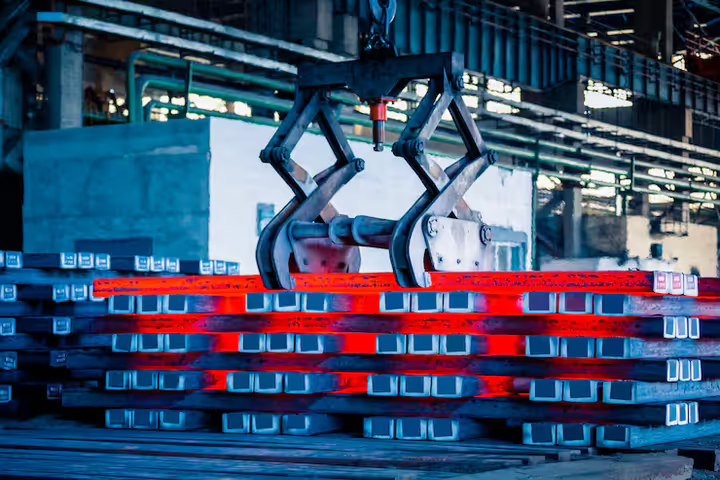
The production process typically involves melting raw materials, refining the chemical composition, and rolling the steel into thin sheets. Advanced manufacturing technologies such as precision rolling, surface finishing, and digital quality monitoring have improved consistency and performance.
In industrial supply chains, carbon steel sheets are categorized into types such as low-carbon steel sheets, medium-carbon steel sheets, and high-carbon steel sheets. Each type has different mechanical properties and is suited for specific industrial applications. This classification helps engineers and procurement teams select suitable materials for fabrication technology and structural engineering projects.
Why carbon steel sheets matter in modern industry
Carbon steel sheets play a vital role in industrial development and economic growth. They are used in structural engineering, infrastructure projects, and heavy equipment manufacturing. Because of their reliability, they help reduce the risk of structural failure and contribute to safer construction practices.
In the automotive sector, these sheets are important for producing vehicle frames, panels, and mechanical components. Their balance of strength and workability allows manufacturers to shape and assemble parts efficiently. This contributes to improved manufacturing efficiency and supports industrial productivity.
Carbon steel sheets also help address challenges related to sustainability and resource management. They can be recycled and reused, which supports circular economy initiatives and reduces industrial waste. Their long service life reduces the need for frequent replacement, helping industries manage maintenance requirements more effectively.
Industries that benefit from carbon steel sheet applications include:
- Construction and infrastructure development
- Industrial machinery and equipment manufacturing
- Transportation and automotive engineering
- Energy production and utility systems
- Agricultural equipment and storage solutions
The ability to combine cost-effective production methods with strong mechanical performance makes carbon steel sheets a practical choice in many sectors. As global industrialization continues, the demand for reliable metal sheet solutions remains consistent.
Recent developments and industry trends
Over the past year, several technological and environmental trends have influenced the carbon steel sheet market. In 2025, many manufacturers introduced digital monitoring systems to improve quality control and reduce material defects during rolling and finishing processes. These innovations aim to enhance production efficiency and maintain uniform sheet thickness.
Sustainability has also become a major focus. During early 2025, steel producers in various regions increased the use of recycled scrap metal in sheet manufacturing. This trend supports environmental goals and helps reduce greenhouse gas emissions associated with traditional steel production.
Another notable update involves the integration of automation technology and data analytics in steel processing facilities. By mid-2025, some plants began adopting predictive maintenance tools that monitor machinery performance and minimize unexpected downtime. This development contributes to improved industrial safety and operational reliability.
Research initiatives have also explored advanced coatings and corrosion-resistant treatments for carbon steel sheets. These improvements help extend product lifespan, particularly in sectors such as marine engineering and energy infrastructure.
The following table highlights selected trends observed in the past year.
| Year | Trend Area | Description | Industrial Impact |
|---|---|---|---|
| 2025 | Digital quality monitoring | Use of sensors and analytics in rolling mills | Improved product consistency |
| 2025 | Recycling integration | Increased scrap metal utilization | Lower environmental impact |
| 2025 | Automation systems | Predictive maintenance tools adoption | Reduced downtime |
| 2025 | Surface treatment research | Development of corrosion-resistant coatings | Longer service life |
These developments indicate that carbon steel sheet production continues to evolve in response to technological progress and environmental awareness.
Regulations and policy considerations
Carbon steel sheet production and usage are influenced by various industrial regulations and environmental standards. Governments and regulatory bodies often set guidelines related to emissions control, workplace safety, and material quality.
In many countries, steel manufacturing facilities must comply with environmental protection laws that regulate air pollutants and energy consumption. These rules encourage companies to adopt cleaner production methods and invest in energy-efficient technologies.
Occupational safety standards also play a significant role. Regulations require factories and construction sites to follow proper handling and storage procedures for steel sheets to prevent accidents and ensure worker safety. Training programs and safety inspections are commonly implemented to meet compliance requirements.
Quality certification frameworks, such as national and international material standards, help ensure that carbon steel sheets meet performance benchmarks. These standards guide engineers and manufacturers in selecting appropriate materials for structural engineering and industrial fabrication.
Public infrastructure programs and industrial development policies can also influence the demand for carbon steel sheets. Government-funded construction initiatives and renewable energy projects often increase the need for durable metal sheet solutions.
Useful tools and resources for understanding carbon steel sheets
A range of digital tools and informational resources can help professionals and learners better understand carbon steel sheet applications and specifications. These resources support research, planning, and technical analysis.
Helpful tools and platforms include:
- Engineering material calculators for estimating sheet weight and load capacity
- Industrial design software used for structural planning and fabrication layouts
- Manufacturing process simulation tools for testing material performance
- Technical standards websites providing access to material specification documents
- Educational platforms offering courses in metallurgy and industrial engineering
The following table presents examples of common calculation factors used in industrial planning.
| Parameter | Purpose | Example Use |
|---|---|---|
| Sheet thickness measurement | Determines strength and flexibility | Structural panel design |
| Tensile strength estimation | Evaluates load-bearing capacity | Machinery component analysis |
| Corrosion resistance assessment | Predicts durability in harsh environments | Marine equipment planning |
| Surface finish evaluation | Improves coating adherence | Automotive panel production |
Graphical trend representation can also help illustrate growing industrial demand.
Industrial Usage Trend (Illustrative)
2022  ███████
2023  █████████
2024  ███████████
2025  █████████████
This simplified graph shows the gradual increase in carbon steel sheet utilization across multiple industries.
Frequently asked questions about carbon steel sheets
What makes carbon steel sheets different from stainless steel sheets?
Carbon steel sheets contain higher carbon content and typically lack chromium, which makes stainless steel more resistant to corrosion. Carbon steel is often chosen for structural strength and manufacturing versatility.
How are carbon steel sheets commonly used in construction?
They are used for roofing panels, reinforcement structures, support beams, and industrial storage systems due to their durability and ease of fabrication.
Can carbon steel sheets be recycled?
Yes, they are widely recyclable. Recycling reduces raw material usage and supports sustainable manufacturing practices in the steel industry.
What factors influence the performance of carbon steel sheets?
Performance depends on carbon content, thickness, surface treatment, and environmental conditions such as exposure to moisture or chemicals.
Are carbon steel sheets suitable for high-temperature environments?
Certain grades can withstand elevated temperatures, but performance varies. Engineers typically evaluate heat resistance and mechanical stability before selecting materials for such applications.
Conclusion
Carbon steel sheets remain an essential material in modern industrial development. Their strength, adaptability, and recyclability support a wide range of sectors, from construction and transportation to energy and heavy manufacturing. Continuous technological improvements, environmental initiatives, and regulatory frameworks are shaping how these materials are produced and utilized.
Understanding carbon steel sheets helps individuals and organizations make informed decisions about industrial materials and infrastructure planning. As industries continue to adopt digital manufacturing tools and sustainable practices, carbon steel sheets are likely to remain a foundational component of global production systems.